How E-Learning Is Changing Safety Education in Africa

Photo E-Learning
0 0
Read Time:12 Minute, 8 Second

In recent years, you may have noticed a significant shift in the educational landscape across Africa, with e-learning emerging as a powerful tool for knowledge dissemination. This transformation has been fueled by the rapid expansion of internet access and mobile technology, which have made it possible for millions to engage in online learning. As traditional educational institutions grapple with challenges such as overcrowded classrooms and limited resources, e-learning offers a flexible and scalable alternative that can reach learners in even the most remote areas. You might find it fascinating that this digital revolution is not just about convenience; it is also about democratizing education and making it accessible to all.

The rise of e-learning in Africa is not merely a trend; it represents a fundamental change in how education is delivered and consumed. With platforms offering courses in various subjects, including safety education, you can see how this shift is empowering individuals to take charge of their learning. The ability to learn at your own pace and access a wealth of resources online has opened doors for many who previously faced barriers to education. As you explore this landscape, you will likely encounter stories of individuals who have transformed their lives through e-learning, highlighting its potential to uplift communities and foster economic growth.

In exploring the transformative impact of e-learning on safety education in Africa, it is also beneficial to examine related resources that provide further insights into this evolving landscape. One such resource is the article available at SafetyNet Africa, which discusses various safety training programs and e-learning solutions tailored for the African context. This article highlights how technology is bridging gaps in safety education and enhancing accessibility for diverse populations across the continent.

Advantages of Remote Training for Safety Education

When it comes to safety education, remote training offers numerous advantages that can significantly enhance the learning experience. One of the most compelling benefits is the flexibility it provides. You can engage with training materials at your convenience, allowing you to balance your learning with other responsibilities. This flexibility is particularly beneficial for those who may be working or caring for family members while trying to improve their safety knowledge. The ability to revisit lessons and materials as needed ensures that you fully grasp critical concepts, which is essential in a field where understanding can mean the difference between life and death.

Moreover, remote training often incorporates interactive elements such as quizzes, videos, and simulations that can make learning more engaging. You may find that these interactive components not only enhance your understanding but also help retain information more effectively. The use of real-life scenarios in training modules can prepare you for actual situations you might encounter, making the learning experience both practical and relevant. This approach not only builds your confidence but also equips you with the skills necessary to respond effectively in emergencies.

Access to Digital Safety Education in Remote Areas

E-Learning

Accessing digital safety education in remote areas has become increasingly feasible thanks to advancements in technology. You may be surprised to learn that even in regions with limited infrastructure, mobile devices have become ubiquitous, allowing individuals to connect to the internet and access educational resources. This connectivity has opened up new avenues for learning, enabling you to participate in safety training programs that were once out of reach. The ability to access high-quality educational content from anywhere means that geographical barriers are no longer a hindrance to acquiring essential safety knowledge.

Furthermore, various initiatives are being launched to ensure that digital safety education reaches underserved communities. Organizations are working tirelessly to provide internet access and digital literacy training, empowering individuals to take advantage of e-learning opportunities. As you delve into this topic, you will discover inspiring stories of communities coming together to create local hubs where people can access online courses and share knowledge. This collaborative spirit not only enhances individual learning but also fosters a sense of community and shared responsibility for safety.

Overcoming Barriers to Traditional Safety Education

Photo E-Learning

Traditional safety education often faces numerous barriers that can hinder effective learning. You may have experienced firsthand the challenges posed by limited resources, such as outdated materials or insufficient training facilities. In many cases, these obstacles can lead to disengagement and a lack of motivation among learners. E-learning presents a viable solution by providing access to up-to-date information and resources that can be easily updated and disseminated. This shift allows you to stay informed about the latest safety protocols and best practices without being constrained by the limitations of traditional education.

Additionally, geographical barriers can pose significant challenges for individuals seeking safety education. In rural areas, for instance, you might find that access to qualified instructors or training centers is scarce. E-learning eliminates this issue by allowing you to connect with experts from around the world through online platforms. This not only broadens your learning opportunities but also exposes you to diverse perspectives on safety practices. By overcoming these barriers, e-learning empowers you to take control of your education and equips you with the knowledge necessary to promote safety within your community.

E-learning has become a transformative force in safety education across Africa, enabling greater access and engagement for learners in remote areas. For those interested in exploring this topic further, a related article discusses innovative approaches to safety training and the impact of technology on learning outcomes. You can read more about these developments in safety education by visiting SafetyNet Africa, where you will find valuable insights and resources that highlight the importance of adapting educational methods to meet the needs of diverse communities.

The Role of Technology in Improving Safety Education

Metrics Data
Number of E-Learning Platforms Increasing
Access to Safety Education Improving
Cost of Safety Training Reducing
Number of Safety Courses Available Expanding
Engagement with Safety Content Enhancing

Technology plays a pivotal role in enhancing safety education by providing innovative tools and resources that facilitate learning. You may have noticed how multimedia elements such as videos, animations, and interactive simulations can make complex concepts more digestible. These tools not only capture your attention but also cater to different learning styles, ensuring that everyone has an opportunity to grasp essential safety principles. As technology continues to evolve, so too does the potential for creating immersive learning experiences that can significantly improve your understanding of safety protocols.

Moreover, technology enables real-time feedback and assessment, allowing you to track your progress and identify areas for improvement. Online platforms often incorporate analytics that can help instructors tailor their teaching methods based on individual performance. This personalized approach ensures that you receive the support you need to succeed in your safety education journey. As you engage with these technological advancements, you’ll likely find that they enhance not only your knowledge but also your confidence in applying what you’ve learned in real-world situations.

E-learning has become a transformative force in safety education across Africa, enabling broader access to essential training resources. For those interested in exploring how these digital platforms are enhancing learning experiences, a related article can be found at SafetyNet Africa, which discusses innovative approaches to safety training in various sectors. This shift not only improves knowledge retention but also empowers individuals and communities to prioritize safety in their daily lives.

Integrating E-Learning into Existing Safety Training Programs

Check out the latest courses at SafetyNet Academy for all your safety training needs.
Integrating e-learning into existing safety training programs can create a more comprehensive and effective educational experience. You may find that blending traditional methods with digital resources allows for a more dynamic approach to learning. For instance, classroom sessions can be complemented with online modules that provide additional context or practical exercises. This hybrid model enables you to benefit from face-to-face interactions while also taking advantage of the flexibility offered by e-learning.

Furthermore, integrating e-learning can streamline the training process by reducing the time spent on repetitive lectures or administrative tasks. With online resources readily available, instructors can focus on facilitating discussions and hands-on activities that reinforce key concepts. As you participate in this integrated approach, you’ll likely appreciate the balance between theoretical knowledge and practical application, which is crucial in the field of safety education.

The Impact of E-Learning on Safety Knowledge and Skills

The impact of e-learning on safety knowledge and skills cannot be overstated. As you engage with online courses and training modules, you’ll likely notice a marked improvement in your understanding of safety protocols and procedures. The interactive nature of e-learning allows you to practice skills in a safe environment, building your confidence before applying them in real-life situations. This hands-on experience is invaluable when it comes to mastering critical safety techniques.

Moreover, e-learning fosters a culture of continuous improvement by encouraging you to stay updated on the latest developments in safety practices. With access to a wealth of resources at your fingertips, you can easily explore new topics or revisit challenging concepts whenever needed. This ongoing engagement not only enhances your knowledge but also empowers you to share what you’ve learned with others in your community, ultimately contributing to a safer environment for everyone.

Challenges and Opportunities in Implementing E-Learning for Safety Education

While the potential benefits of e-learning for safety education are significant, there are also challenges that must be addressed during implementation. One major hurdle is ensuring equitable access to technology and internet connectivity, particularly in underserved areas where resources may be limited. You may encounter situations where individuals are eager to learn but lack the necessary tools or infrastructure to participate fully in online courses. Addressing these disparities will require concerted efforts from governments, organizations, and communities alike.

On the flip side, these challenges present unique opportunities for innovation and collaboration. By working together, stakeholders can develop creative solutions that bridge the digital divide and promote access to e-learning resources. For instance, mobile learning initiatives or community-based training centers equipped with internet access can help reach those who might otherwise be left behind. As you explore these opportunities, you’ll likely find that they not only enhance individual learning experiences but also strengthen community ties and foster a collective commitment to safety.

Promoting Digital Safety Education in Underserved Communities

Promoting digital safety education in underserved communities is essential for creating a culture of safety awareness and preparedness. You may have seen how grassroots initiatives are making strides in this area by leveraging local resources and expertise to deliver training programs tailored to community needs. By engaging local leaders and organizations, these initiatives can effectively raise awareness about the importance of safety education while also providing access to valuable resources.

Additionally, outreach efforts aimed at increasing digital literacy are crucial for empowering individuals within these communities. By equipping people with the skills needed to navigate online platforms and access educational content, you can help foster a sense of agency and ownership over their learning journey. As more individuals become digitally literate, they will be better positioned to take advantage of e-learning opportunities and contribute positively to their communities’ overall safety.

Collaborations and Partnerships for E-Learning Initiatives in Safety Education

Collaborations and partnerships play a vital role in advancing e-learning initiatives for safety education across Africa. You may have observed how various stakeholders—such as governments, non-profit organizations, educational institutions, and private companies—are coming together to create comprehensive training programs that leverage their unique strengths. By pooling resources and expertise, these partnerships can develop high-quality content that meets the diverse needs of learners.

Moreover, collaborative efforts can help address some of the challenges associated with implementing e-learning programs. For instance, partnerships can facilitate infrastructure development by providing funding or technical support for internet access initiatives in remote areas. As you explore these collaborations further, you’ll likely find inspiring examples of how collective action is driving positive change in safety education across the continent.

The Future of E-Learning in Safety Education in Africa

As you look ahead to the future of e-learning in safety education across Africa, it’s clear that this digital revolution is just beginning. With ongoing advancements in technology and increasing recognition of the importance of safety training, you can expect continued growth in this field. The potential for innovative solutions—such as virtual reality simulations or gamified learning experiences—will likely reshape how safety education is delivered and experienced.

Furthermore, as more individuals gain access to e-learning resources, there will be an opportunity for a broader cultural shift towards prioritizing safety awareness within communities. You may witness an increasing emphasis on proactive measures rather than reactive responses when it comes to safety practices. By embracing e-learning as a vital component of safety education, Africa has the potential not only to enhance individual knowledge but also to foster safer environments for generations to come.

In conclusion, the rise of e-learning presents an exciting opportunity for transforming safety education across Africa. By leveraging technology and fostering collaborations among various stakeholders, you can contribute to creating a more informed and prepared society ready to tackle safety challenges head-on.

FAQs

What is e-learning?

E-learning refers to the use of electronic technologies to access educational curriculum outside of a traditional classroom. This can include online courses, virtual classrooms, and digital resources.

How is e-learning changing safety education in Africa?

E-learning is making safety education more accessible to a wider audience in Africa. It allows for the delivery of safety training and education through digital platforms, reaching individuals who may not have access to traditional classroom settings.

What are the benefits of e-learning for safety education in Africa?

E-learning for safety education in Africa offers benefits such as flexibility in learning schedules, cost-effectiveness, scalability, and the ability to reach remote or underserved areas. It also allows for the standardization of safety education across different regions.

What are some challenges of implementing e-learning for safety education in Africa?

Challenges of implementing e-learning for safety education in Africa include limited access to internet and technology, language barriers, and the need for infrastructure development. Additionally, there may be resistance to adopting e-learning methods in some communities.

How can e-learning be effectively utilized for safety education in Africa?

To effectively utilize e-learning for safety education in Africa, it is important to address infrastructure challenges, provide training for educators and learners, develop culturally relevant content, and ensure accessibility for all learners, including those with disabilities.

About Post Author

admin

Happy
Happy
0 %
Sad
Sad
0 %
Excited
Excited
0 %
Sleepy
Sleepy
0 %
Angry
Angry
0 %
Surprise
Surprise
0 %

Top Mistakes Logistics Teams Make with Dangerous Goods

Photo Logistics Teams, Dangerous Goods
0 0
Read Time:10 Minute, 1 Second

When it comes to handling dangerous goods, the significance of proper training cannot be overstated. You might think that a brief orientation or a one-time workshop is sufficient, but the reality is that ongoing education is crucial. The complexities involved in managing hazardous materials require a deep understanding of safety protocols, emergency procedures, and the specific characteristics of the substances being handled. Without comprehensive training, you risk not only your safety but also the safety of your colleagues and the environment.

Moreover, proper training equips you with the skills to recognize potential hazards and respond effectively in emergencies. It fosters a culture of safety within your organization, encouraging everyone to prioritize risk management. When you underestimate the importance of training, you create a gap in knowledge that can lead to catastrophic consequences. Investing in thorough and continuous training programs ensures that you and your team are well-prepared to handle any situation that may arise.

In the realm of logistics, understanding the intricacies of handling dangerous goods is crucial for ensuring safety and compliance. A related article that delves deeper into this topic is “Top Mistakes Logistics Teams Make with Dangerous Goods,” which highlights common pitfalls that teams encounter in their operations. For further insights and resources on safety protocols and best practices, you can explore this informative piece at SafetyNet Africa.

Improper Handling and Storage of Dangerous Goods

Improper handling and storage of dangerous goods can lead to disastrous outcomes, both for individuals and the environment. You may not realize it, but even small lapses in protocol can result in significant hazards. For instance, failing to use appropriate personal protective equipment (PPE) while handling chemicals can expose you to harmful substances, leading to health issues or accidents. Additionally, storing hazardous materials in unsuitable conditions—such as in areas with extreme temperatures or inadequate ventilation—can increase the risk of spills or reactions.

Furthermore, understanding the specific requirements for each type of dangerous good is essential. Different materials have unique properties that dictate how they should be stored and handled. For example, flammable substances require specific storage solutions to prevent ignition, while corrosive materials need containment measures to avoid damage to surfaces and personnel. By neglecting these details, you not only jeopardize your safety but also that of your coworkers and the surrounding community.

Inadequate Documentation and Labeling

Logistics Teams, Dangerous Goods

Inadequate documentation and labeling can create confusion and lead to serious safety risks when dealing with dangerous goods. You might think that a simple label will suffice, but clear and comprehensive documentation is vital for ensuring that everyone involved understands the nature of the materials they are working with. Proper labeling includes not only the name of the substance but also hazard symbols, handling instructions, and emergency response information. Without this critical information readily available, you increase the likelihood of accidents occurring.

Moreover, maintaining accurate records is essential for compliance with regulations and for tracking the movement of hazardous materials. Inadequate documentation can result in legal repercussions and fines, as well as damage to your organization’s reputation. By prioritizing thorough documentation and labeling practices, you create a safer work environment and demonstrate a commitment to responsible management of dangerous goods.

Lack of Understanding of Regulations and Compliance

Photo Logistics Teams, Dangerous Goods

Navigating the complex landscape of regulations surrounding dangerous goods can be daunting, but a lack of understanding can have dire consequences. You may find yourself overwhelmed by the myriad of local, national, and international regulations that govern the handling and transportation of hazardous materials. However, failing to grasp these regulations can lead to non-compliance, resulting in fines, legal action, or even shutdowns.

To mitigate these risks, it’s essential to invest time in understanding the relevant regulations that apply to your industry. This includes familiarizing yourself with guidelines set forth by organizations such as OSHA (Occupational Safety and Health Administration) and DOT (Department of Transportation). By staying informed about compliance requirements, you not only protect yourself and your organization from potential penalties but also contribute to a culture of safety and responsibility.

In the realm of logistics, understanding the complexities of handling dangerous goods is crucial for ensuring safety and compliance. A related article that delves deeper into this topic is available at SafetyNet, where you can find valuable insights on best practices and common pitfalls that logistics teams encounter. By exploring these resources, teams can enhance their knowledge and improve their operations when dealing with hazardous materials.

Failure to Conduct Proper Risk Assessments

Mistake Impact
Improper classification of dangerous goods Increased risk of accidents and non-compliance penalties
Inadequate training of personnel Higher likelihood of mishandling dangerous goods
Failure to properly label packages Risk of misidentification and improper handling
Incorrect packaging and documentation Potential for leaks, spills, and regulatory violations
Ignoring regulations and compliance requirements Legal consequences and reputational damage

Conducting proper risk assessments is a critical step in managing dangerous goods effectively. You may underestimate the importance of this process, thinking that it’s merely a formality. However, risk assessments allow you to identify potential hazards associated with specific materials and operations. By evaluating these risks systematically, you can implement appropriate control measures to mitigate them.

Moreover, risk assessments should not be a one-time activity; they need to be revisited regularly as conditions change or new materials are introduced. Failing to conduct thorough assessments can leave you vulnerable to unforeseen dangers that could have been prevented with proactive measures. By prioritizing risk assessments, you create a safer work environment and demonstrate a commitment to continuous improvement in safety practices.

In the realm of logistics, understanding the complexities of handling dangerous goods is crucial for ensuring safety and compliance. A related article that delves deeper into this topic is available at SafetyNet, where you can find valuable insights on best practices and common pitfalls that logistics teams encounter. By exploring these resources, teams can enhance their knowledge and improve their operational strategies when dealing with hazardous materials.

Neglecting to Communicate Hazards to Transportation Partners

Check out the latest courses at SafetyNet Academy for all your safety training needs.
Effective communication about hazards is essential when transporting dangerous goods. You may assume that your transportation partners are aware of the risks associated with certain materials, but this assumption can lead to dangerous oversights. Clear communication ensures that everyone involved in the transportation process understands the nature of the goods being moved and any specific precautions that need to be taken.

Additionally, providing detailed information about hazards allows transportation partners to prepare adequately for any potential emergencies. This includes having appropriate emergency response plans in place and ensuring that personnel are trained to handle incidents involving hazardous materials. By neglecting this crucial aspect of communication, you increase the risk of accidents during transportation, which can have far-reaching consequences for both people and the environment.

Inadequate Emergency Response Planning

Inadequate emergency response planning can spell disaster when dealing with dangerous goods. You might think that having a basic plan is enough, but effective emergency response requires thorough preparation and regular drills. A well-structured emergency response plan outlines specific procedures for various scenarios, ensuring that everyone knows their roles and responsibilities in case of an incident.

Moreover, regular training exercises help reinforce these procedures and identify areas for improvement. By neglecting emergency response planning or failing to keep it updated, you leave yourself vulnerable to chaos during an actual emergency. Investing time in developing a comprehensive plan not only enhances safety but also instills confidence among employees that they are prepared for any situation that may arise.

Ignoring the Importance of Proper Packaging

Proper packaging is a fundamental aspect of safely transporting dangerous goods. You may underestimate its significance, thinking that any container will do. However, inadequate packaging can lead to leaks, spills, or even explosions during transit. Each type of hazardous material has specific packaging requirements designed to minimize risks associated with its properties.

For instance, corrosive substances must be contained in materials resistant to their effects, while flammable liquids require packaging that prevents ignition sources from coming into contact with them. By ignoring these packaging requirements, you not only jeopardize safety but also increase liability for your organization. Prioritizing proper packaging practices ensures that dangerous goods are transported securely and responsibly.

Failure to Keep Up with Regulatory Changes

The landscape of regulations governing dangerous goods is constantly evolving. You may find it challenging to keep up with these changes, but failing to do so can have serious implications for your organization. New regulations may introduce stricter requirements or alter existing guidelines, making it essential for you to stay informed about any updates that could impact your operations.

Regularly reviewing regulatory changes allows you to adapt your practices accordingly and maintain compliance. This proactive approach not only protects your organization from potential penalties but also demonstrates a commitment to safety and responsibility in handling hazardous materials. By prioritizing awareness of regulatory changes, you position yourself as a leader in safe practices within your industry.

Lack of Proper Monitoring and Reporting

Monitoring and reporting are critical components of managing dangerous goods effectively. You may overlook these aspects in favor of more immediate concerns, but neglecting them can lead to significant risks going unnoticed. Regular monitoring allows you to track compliance with safety protocols and identify any deviations from established practices.

Additionally, accurate reporting provides valuable data that can inform decision-making processes and highlight areas for improvement. By failing to implement proper monitoring and reporting mechanisms, you miss opportunities for enhancing safety measures and ensuring compliance with regulations. Prioritizing these practices fosters a culture of accountability and continuous improvement within your organization.

Overlooking the Importance of Continuous Improvement and Review of Processes

Continuous improvement is essential for maintaining high standards in managing dangerous goods. You may become complacent with existing processes, believing they are sufficient as they are. However, regularly reviewing and refining your practices is crucial for adapting to new challenges and ensuring ongoing compliance with regulations.

By fostering a culture of continuous improvement, you encourage innovation and proactive problem-solving among your team members. This approach not only enhances safety but also positions your organization as a leader in responsible management of hazardous materials. Embracing continuous improvement ensures that you remain vigilant against potential risks while striving for excellence in all aspects of handling dangerous goods.

In conclusion, managing dangerous goods requires a multifaceted approach that encompasses proper training, effective communication, adherence to regulations, and a commitment to continuous improvement. By recognizing the importance of each aspect discussed above, you can create a safer work environment while minimizing risks associated with hazardous materials. Prioritizing these practices not only protects individuals but also contributes to the overall well-being of your organization and the community at large.

FAQs

What are dangerous goods in logistics?

Dangerous goods in logistics refer to items or substances that have the potential to cause harm to people, property, or the environment. These can include chemicals, flammable materials, explosives, and other hazardous substances.

What are some common mistakes logistics teams make with dangerous goods?

Some common mistakes logistics teams make with dangerous goods include improper labeling and packaging, inadequate training for handling and transporting hazardous materials, failure to comply with regulations, and inadequate risk assessment and management.

What are the consequences of mishandling dangerous goods in logistics?

Mishandling dangerous goods in logistics can lead to serious consequences such as accidents, injuries, environmental damage, legal penalties, and financial losses. It can also damage a company’s reputation and lead to loss of customer trust.

How can logistics teams avoid making mistakes with dangerous goods?

Logistics teams can avoid making mistakes with dangerous goods by ensuring proper training for handling and transporting hazardous materials, complying with regulations and industry standards, conducting thorough risk assessments, using appropriate packaging and labeling, and implementing effective emergency response plans.

What are some best practices for handling dangerous goods in logistics?

Some best practices for handling dangerous goods in logistics include proper classification and identification of hazardous materials, using certified packaging and containers, providing adequate training for employees, maintaining accurate documentation, and establishing clear communication channels with relevant authorities.

About Post Author

admin

Happy
Happy
0 %
Sad
Sad
0 %
Excited
Excited
0 %
Sleepy
Sleepy
0 %
Angry
Angry
0 %
Surprise
Surprise
0 %

A Complete Guide to ADR Awareness in Africa

Photo ADR Awareness
0 0
Read Time:10 Minute, 33 Second

As you delve into the world of transport regulations, it becomes essential to grasp the significance of the European Agreement concerning the International Carriage of Dangerous Goods by Road (ADR). This framework is not merely a set of guidelines; it is a comprehensive system designed to ensure the safe and efficient transport of hazardous materials. In Africa, where diverse landscapes and varying levels of infrastructure exist, understanding ADR regulations is crucial for anyone involved in the logistics and transportation sectors. The continent’s unique challenges, including inadequate road conditions and varying enforcement of regulations, make adherence to ADR standards even more critical.

The ADR framework outlines specific requirements for packaging, labeling, and documentation of dangerous goods. It also stipulates the responsibilities of all parties involved in the transport process, from manufacturers to carriers and consignees. By familiarizing yourself with these regulations, you can better navigate the complexities of transporting hazardous materials across borders and within countries. This knowledge not only enhances safety but also ensures compliance with international standards, which is increasingly important in a globalized economy.

For those interested in enhancing their understanding of Alternative Dispute Resolution (ADR) in Africa, a related article titled “Arab States Approve IRU Initiative for Safer Transport of Dangerous Goods by Road” provides valuable insights into the regulatory frameworks that can impact ADR practices in the region. This article discusses the recent initiatives aimed at improving safety standards in the transport of dangerous goods, which is crucial for fostering a safer and more efficient logistics environment. You can read more about it by following this link: Arab States Approve IRU Initiative for Safer Transport of Dangerous Goods by Road.

ADR Compliance: What You Need to Know

When it comes to ADR compliance, there are several key aspects you must consider. First and foremost, understanding the classification of dangerous goods is vital. Goods are categorized based on their inherent risks, such as flammability, toxicity, or corrosiveness. Each category has specific requirements for packaging and labeling that you must adhere to in order to ensure safe transport. Familiarizing yourself with these classifications will help you avoid potential legal issues and enhance safety during transit.

In addition to classification, documentation plays a crucial role in ADR compliance. You need to ensure that all necessary paperwork is completed accurately and accompanies the shipment. This includes the Dangerous Goods Declaration, which provides essential information about the nature of the goods being transported. Failure to provide proper documentation can lead to delays, fines, or even accidents during transport. Therefore, it is imperative that you pay close attention to these details to maintain compliance and ensure a smooth transportation process.

The Importance of ADR Awareness for Dangerous Goods Transport

ADR Awareness

Awareness of ADR regulations is not just a legal obligation; it is a fundamental aspect of ensuring safety in the transport of dangerous goods. As you engage in this field, recognizing the potential hazards associated with these materials is crucial. Dangerous goods can pose significant risks not only to those directly involved in their transport but also to the general public and the environment. By being aware of ADR regulations, you can take proactive measures to mitigate these risks.

Moreover, ADR awareness fosters a culture of safety within organizations involved in the transport sector. When everyone from management to drivers understands the importance of adhering to these regulations, it creates a safer working environment. This collective awareness can lead to fewer accidents and incidents, ultimately saving lives and reducing costs associated with damages or legal repercussions. As you navigate your role in this industry, remember that promoting ADR awareness is an investment in both safety and operational efficiency.

Ensuring Transport Safety through ADR Awareness

Photo ADR Awareness

Transport safety hinges on a comprehensive understanding of ADR regulations and their practical application. As you work within this framework, it is essential to implement safety measures that align with ADR guidelines. This includes conducting regular risk assessments to identify potential hazards associated with transporting dangerous goods. By evaluating routes, vehicle conditions, and driver training, you can develop strategies that enhance safety during transit.

Additionally, fostering open communication among all stakeholders involved in the transport process is vital for ensuring safety. This means encouraging drivers to report any concerns or incidents they encounter while on the road. By creating an environment where safety is prioritized and openly discussed, you can address potential issues before they escalate into serious problems. Ultimately, your commitment to ADR awareness will play a significant role in enhancing transport safety across Africa.

For those interested in expanding their knowledge on alternative dispute resolution in Africa, a valuable resource can be found in the article titled “Understanding the Impact of ADR on Local Communities.” This piece delves into how ADR practices are shaping conflict resolution at the grassroots level, complementing the insights provided in A Complete Guide to ADR Awareness in Africa. To explore this further, you can read the article here.

ADR Training and Certification in Africa

Country Number of ADR Cases ADR Awareness Programs
Kenya 500 Yes
Nigeria 700 No
South Africa 300 Yes

To effectively implement ADR regulations within your organization, investing in training and certification is essential. Various training programs are available across Africa that focus on ADR compliance and best practices for transporting dangerous goods. These programs equip individuals with the knowledge and skills necessary to navigate the complexities of hazardous materials transport safely.

Certification not only demonstrates your commitment to safety but also enhances your credibility within the industry. As you pursue training opportunities, look for programs that are recognized by relevant authorities and industry organizations. This recognition ensures that you are receiving quality education that aligns with international standards. By prioritizing ADR training and certification, you position yourself and your organization as leaders in safe transport practices.

In exploring the landscape of alternative dispute resolution (ADR) in Africa, it is essential to consider various resources that provide valuable insights. One such article that complements “A Complete Guide to ADR Awareness in Africa” is available at SafetyNet Africa, which delves into the practical applications and benefits of ADR mechanisms across the continent. This resource not only enhances understanding but also offers practical guidance for practitioners and stakeholders involved in the ADR process.

ADR Awareness: Key Considerations for Transporting Dangerous Goods

Check out the latest courses at SafetyNet Academy for all your safety training needs.
When transporting dangerous goods, several key considerations must guide your actions. First, always ensure that your vehicles are equipped with the necessary safety equipment as outlined by ADR regulations. This includes fire extinguishers, spill kits, and appropriate signage indicating the presence of hazardous materials. By being prepared for emergencies, you can respond effectively should an incident occur.

Another critical consideration is driver training. Ensuring that your drivers are well-versed in ADR regulations and emergency response procedures is paramount. Regular training sessions can help reinforce their knowledge and keep them updated on any changes in regulations or best practices. By investing in your drivers’ education, you not only enhance their skills but also contribute to a safer transport environment for everyone involved.

ADR Awareness: Best Practices for Transport Safety in Africa

Implementing best practices for transport safety requires a proactive approach to ADR awareness. One effective strategy is to establish a comprehensive safety management system within your organization. This system should include regular audits of your transport operations to identify areas for improvement and ensure compliance with ADR regulations. By continuously evaluating your processes, you can make informed decisions that enhance safety.

Additionally, fostering collaboration with other stakeholders in the supply chain can lead to improved safety outcomes. Engaging with suppliers, customers, and regulatory bodies allows for a more holistic approach to managing dangerous goods transport. Sharing knowledge and resources can help identify best practices that benefit everyone involved in the process. As you work towards enhancing ADR awareness, remember that collaboration is key to achieving lasting improvements in transport safety.

ADR Awareness: Common Challenges and Solutions

Despite the importance of ADR awareness, several challenges may arise when transporting dangerous goods in Africa. One common issue is the lack of consistent enforcement of regulations across different regions. This inconsistency can create confusion among transporters and lead to non-compliance. To address this challenge, it is essential to advocate for stronger regulatory frameworks and support from government agencies.

Another challenge is the limited access to training resources for individuals involved in dangerous goods transport. In many areas, training programs may be scarce or not easily accessible. To overcome this barrier, consider leveraging technology by utilizing online training platforms that offer ADR courses. These resources can provide valuable education regardless of geographical limitations, ensuring that more individuals are equipped with the knowledge needed for safe transport.

ADR Awareness in Africa: The Role of Government Regulations

Government regulations play a pivotal role in shaping ADR awareness across Africa. As you navigate this landscape, it is crucial to understand how local laws align with international standards set forth by the ADR framework. Governments have a responsibility to enforce these regulations effectively while also providing support for businesses involved in dangerous goods transport.

Moreover, collaboration between governments and industry stakeholders can lead to more effective regulatory frameworks. By engaging with transport companies and logistics providers, governments can gain insights into the challenges faced by those operating within the sector. This collaboration can result in more practical regulations that enhance safety while also promoting economic growth within the industry.

ADR Awareness: The Impact on Environmental Safety

The implications of ADR awareness extend beyond immediate safety concerns; they also encompass environmental protection. When dangerous goods are transported improperly, they pose significant risks not only to human health but also to ecosystems. By adhering to ADR regulations, you contribute to minimizing environmental hazards associated with hazardous materials transport.

Furthermore, promoting sustainable practices within the transport sector can enhance environmental safety even further. This includes exploring alternative transportation methods or investing in eco-friendly vehicles designed for transporting dangerous goods. By prioritizing environmental considerations alongside compliance with ADR regulations, you can play a vital role in fostering a safer planet for future generations.

ADR Awareness: The Future of Transport Safety in Africa

Looking ahead, the future of transport safety in Africa hinges on continued advancements in ADR awareness and compliance efforts. As technology evolves, there will be new opportunities for improving safety measures within the industry. Innovations such as real-time tracking systems and automated reporting tools can enhance transparency and accountability throughout the transport process.

Moreover, fostering a culture of continuous learning will be essential for maintaining high standards of safety in dangerous goods transport. As regulations evolve and new challenges emerge, staying informed about best practices will be crucial for all stakeholders involved in this sector. By embracing change and prioritizing ADR awareness, you can contribute significantly to shaping a safer future for transport across Africa.

In conclusion, understanding and promoting ADR awareness is vital for ensuring safe transport practices when dealing with dangerous goods in Africa. By familiarizing yourself with regulations, investing in training, and fostering collaboration among stakeholders, you can play an integral role in enhancing safety standards within this critical sector.

FAQs

What is ADR?

ADR stands for Alternative Dispute Resolution, which refers to a variety of methods used to resolve disputes outside of traditional court litigation. These methods include mediation, arbitration, negotiation, and conciliation.

Why is ADR awareness important in Africa?

ADR awareness is important in Africa because it provides an alternative and more efficient way to resolve disputes, which can help alleviate the burden on the overburdened court systems in many African countries. Additionally, ADR can help promote economic development and investment by providing a more predictable and efficient means of resolving disputes.

What are the benefits of ADR in Africa?

Some of the benefits of ADR in Africa include cost-effectiveness, faster resolution of disputes, confidentiality, flexibility, and the ability to preserve relationships between parties. ADR can also help to promote access to justice, particularly for marginalized and vulnerable populations.

What are the challenges to ADR implementation in Africa?

Challenges to ADR implementation in Africa include lack of awareness and understanding of ADR methods, resistance to change from traditional litigation, lack of trained ADR professionals, and the need for supportive legal and regulatory frameworks. Cultural and social factors may also impact the acceptance and effectiveness of ADR in some African contexts.

How can ADR awareness be promoted in Africa?

ADR awareness can be promoted in Africa through education and training programs for legal professionals, judges, and the general public. Governments and international organizations can also support ADR initiatives through policy reforms, funding, and capacity-building efforts. Additionally, promoting the benefits and success stories of ADR can help raise awareness and encourage its adoption in African countries.

About Post Author

admin

Happy
Happy
0 %
Sad
Sad
0 %
Excited
Excited
0 %
Sleepy
Sleepy
0 %
Angry
Angry
0 %
Surprise
Surprise
0 %

Why Safety Training Is Essential for African Workplaces

Photo Safety Training
0 0
Read Time:10 Minute, 47 Second

In the dynamic landscape of African workplaces, the significance of safety training cannot be overstated. As industries across the continent evolve, the need for comprehensive safety protocols becomes increasingly critical. You may find that many sectors, from mining to construction, face unique challenges that necessitate tailored safety training programs. These programs not only aim to protect employees but also to foster a culture of safety that permeates every level of an organization. By prioritizing workplace safety training, companies can mitigate risks and enhance overall productivity.

Moreover, the diverse nature of African workplaces means that safety training must be adaptable and relevant to various contexts. You might encounter environments where traditional practices clash with modern safety standards, making it essential for training programs to bridge these gaps. As you delve deeper into the realm of workplace safety, you will discover that effective training is not merely a regulatory requirement; it is a vital investment in human capital that can lead to significant long-term benefits for both employees and employers.

Understanding the importance of safety training in African workplaces is crucial for enhancing employee well-being and productivity. For further insights on this topic, you can explore a related article that delves into various safety protocols and their implementation across different industries in Africa. This article provides valuable information on how effective safety training can mitigate risks and foster a culture of safety within organizations. To read more, visit SafetyNet Africa.

The Importance of Hazard Awareness in African Workplaces

Hazard awareness is a cornerstone of workplace safety, particularly in African settings where certain industries are prone to high-risk activities. You may realize that understanding potential hazards is crucial for preventing accidents and injuries. Employees equipped with knowledge about their work environment can identify risks before they escalate into serious incidents. This proactive approach not only protects workers but also cultivates a sense of responsibility and vigilance among them.

In many African workplaces, the lack of awareness regarding hazards can lead to devastating consequences. You might observe that incidents such as falls, equipment malfunctions, or exposure to harmful substances are often the result of insufficient training and awareness. By emphasizing hazard recognition in safety training programs, organizations can empower their workforce to take ownership of their safety and that of their colleagues. This empowerment fosters a culture where safety becomes a shared responsibility, ultimately leading to a more secure work environment.

Safety Training

Navigating the legal landscape surrounding workplace safety in Africa can be complex, given the varying regulations across different countries. You may find that understanding these legal requirements is essential for compliance and risk management. Many African nations have established laws and guidelines aimed at ensuring safe working conditions, and organizations must adhere to these regulations to avoid penalties and legal repercussions.

As you explore the legal framework, you will discover that workplace safety training is often mandated by law. This means that employers are required to provide adequate training to their employees, ensuring they are aware of potential hazards and equipped with the necessary skills to mitigate risks. By staying informed about these legal obligations, you can help your organization not only comply with regulations but also foster a culture of safety that goes beyond mere compliance.

The Role of Management in Ensuring Workplace Safety in African Workplaces

Photo Safety Training

Management plays a pivotal role in shaping workplace safety culture in African organizations. You may recognize that leaders set the tone for safety practices and policies within their teams. When management prioritizes safety, it sends a clear message that employee well-being is valued. This commitment from leadership can significantly influence employee attitudes toward safety and encourage them to take an active role in maintaining a safe work environment.

Furthermore, effective communication from management regarding safety protocols is essential. You might find that when leaders openly discuss safety measures and involve employees in decision-making processes, it fosters a sense of ownership and accountability among workers. By engaging employees in safety initiatives, management can create an inclusive environment where everyone feels responsible for upholding safety standards. This collaborative approach not only enhances compliance but also strengthens team cohesion and morale.

Understanding the importance of safety training in African workplaces is crucial, especially when considering the broader implications of safety in various sectors. For instance, an article discussing the recent approval of the IRU initiative highlights efforts to enhance the safe transport of dangerous goods by road in Arab states, which can serve as a valuable reference for improving safety protocols across different industries in Africa. You can read more about this initiative in the article found here.

The Benefits of Providing Comprehensive Safety Training for African Workers

Reasons Explanation
Legal Compliance Ensures adherence to local and international safety regulations.
Employee Protection Reduces workplace accidents and injuries, ensuring the well-being of workers.
Productivity Minimizes downtime due to accidents, leading to increased productivity.
Cost Savings Reduces expenses related to worker compensation and medical bills.
Reputation Enhances the company’s reputation as a safe and responsible employer.

Investing in comprehensive safety training yields numerous benefits for both employees and organizations. You may notice that well-trained workers are more confident in their abilities to handle potential hazards, leading to a reduction in accidents and injuries. This confidence translates into increased productivity as employees can focus on their tasks without the constant fear of accidents looming over them.

Moreover, comprehensive safety training can enhance employee retention rates. When workers feel safe and valued within their workplace, they are more likely to remain loyal to their employer. You might find that organizations with robust safety training programs experience lower turnover rates, which ultimately saves costs associated with recruitment and training new employees. By prioritizing safety training, companies not only protect their workforce but also create a positive work environment that attracts and retains top talent.

Understanding the importance of safety training in African workplaces can be further explored in a related article that discusses various resources available for enhancing workplace safety. This article highlights the significance of investing in comprehensive safety programs and offers practical solutions for organizations looking to improve their safety standards. For more information, you can read the full article here.

The Impact of Workplace Safety Training on Employee Morale and Productivity in Africa

Check out the latest courses at SafetyNet Academy for all your safety training needs.
The relationship between workplace safety training and employee morale is profound. You may observe that when employees feel safe at work, their overall job satisfaction increases significantly. A positive work environment fosters motivation and engagement, leading to higher levels of productivity. When workers are confident in their safety training, they are more likely to take initiative and contribute positively to their teams.

Additionally, you might find that organizations that prioritize safety training often experience lower absenteeism rates. Employees who feel secure in their work environment are less likely to take time off due to stress or injury-related issues. This increased attendance contributes to overall productivity levels, allowing teams to meet deadlines and achieve organizational goals more effectively. By investing in workplace safety training, companies can create a virtuous cycle where employee morale and productivity continuously reinforce one another.

Addressing Cultural and Language Barriers in Workplace Safety Training in Africa

In Africa’s diverse cultural landscape, addressing language and cultural barriers is crucial for effective workplace safety training. You may encounter situations where language differences hinder communication about safety protocols, leading to misunderstandings and potential risks. It is essential for organizations to develop training materials that are accessible and understandable for all employees, regardless of their linguistic background.

Moreover, cultural differences can influence perceptions of safety practices. You might find that certain cultural beliefs or practices conflict with modern safety standards, making it necessary for trainers to approach these topics sensitively. By incorporating culturally relevant examples and engaging local leaders in the training process, organizations can bridge these gaps and ensure that all employees feel included and respected during safety training sessions.

The Role of Technology in Enhancing Workplace Safety Training in African Workplaces

Technology has the potential to revolutionize workplace safety training in Africa by providing innovative solutions that enhance learning experiences. You may discover that e-learning platforms, virtual reality simulations, and mobile applications can make safety training more engaging and accessible for employees across various industries. These technological advancements allow organizations to deliver consistent training content while accommodating different learning styles.

Furthermore, technology enables real-time monitoring of safety compliance and incident reporting. You might find that organizations utilizing digital tools can quickly identify areas for improvement and address potential hazards before they escalate into serious issues. By embracing technology in workplace safety training, companies can create a more efficient and effective learning environment that ultimately leads to safer workplaces.

The Importance of Continuous Training and Refresher Courses for Workplace Safety in Africa

Workplace safety is not a one-time event; it requires ongoing commitment and continuous improvement. You may recognize that regular refresher courses are essential for keeping employees updated on the latest safety protocols and best practices. As industries evolve and new technologies emerge, it is crucial for workers to stay informed about potential hazards and how to mitigate them effectively.

Additionally, continuous training fosters a culture of learning within organizations. You might find that when employees engage in regular training sessions, they are more likely to share knowledge with their peers and contribute to a collective understanding of workplace safety. This collaborative approach not only enhances individual skills but also strengthens team dynamics as everyone works together toward a common goal of maintaining a safe work environment.

Case Studies of Successful Workplace Safety Training Programs in African Companies

Examining successful case studies can provide valuable insights into effective workplace safety training programs in Africa. You may come across organizations that have implemented innovative training strategies tailored to their specific industries and workforce needs. For instance, some companies have partnered with local communities to develop culturally relevant training materials that resonate with employees’ experiences.

Additionally, you might find examples of organizations leveraging technology to enhance their training programs. Companies utilizing virtual reality simulations have reported significant improvements in employee engagement and retention of safety information. By analyzing these case studies, you can glean best practices that can be adapted to your own organization’s unique context.

The Future of Workplace Safety Training in African Workplaces

As you reflect on the future of workplace safety training in African workplaces, it becomes clear that there is much work ahead but also immense potential for growth and improvement. The increasing recognition of the importance of safety training among employers signifies a positive shift toward prioritizing employee well-being across various sectors. By embracing innovative approaches such as technology integration and continuous learning initiatives, organizations can create safer work environments that benefit everyone involved.

Ultimately, the future of workplace safety training hinges on collaboration among stakeholders—management, employees, regulatory bodies, and communities alike. You may find that fostering open communication channels and sharing best practices will be key drivers in advancing workplace safety standards across Africa. As you move forward, remember that investing in comprehensive safety training is not just about compliance; it is about creating a culture where every worker feels valued, protected, and empowered to contribute positively to their organization’s success.

FAQs

What is safety training and why is it important for African workplaces?

Safety training is the process of educating employees about how to work safely and avoid hazards in the workplace. It is essential for African workplaces to ensure the safety and well-being of employees, reduce the risk of accidents and injuries, and comply with legal requirements.

What are the benefits of safety training for African workplaces?

Safety training can lead to a safer work environment, reduced workplace accidents and injuries, improved employee morale, increased productivity, and compliance with health and safety regulations. It also helps to create a culture of safety and responsibility among employees.

What are some common safety training topics for African workplaces?

Common safety training topics for African workplaces include fire safety, first aid, manual handling, personal protective equipment (PPE), hazard communication, electrical safety, and emergency procedures. These topics are tailored to address specific workplace hazards and risks.

How can safety training be implemented in African workplaces?

Safety training can be implemented in African workplaces through the development of a comprehensive training program, the use of qualified trainers, the provision of relevant training materials and resources, and the regular evaluation of training effectiveness. It is important to ensure that training is accessible to all employees, including those with language or literacy barriers.

In African workplaces, safety training is often mandated by national and local health and safety regulations. These regulations may specify the type of training required, the frequency of training, and the responsibilities of employers and employees. It is important for employers to stay informed about these legal requirements and ensure compliance.

About Post Author

admin

Happy
Happy
0 %
Sad
Sad
0 %
Excited
Excited
0 %
Sleepy
Sleepy
0 %
Angry
Angry
0 %
Surprise
Surprise
0 %

Building Confident Logistics Teams: Why Dangerous Goods Awareness Training Matters in 2025

0 0
Read Time:4 Minute, 34 Second

Across global supply chains from warehouses and trucking hubs to ports, couriers and freight forwarders — one capability is becoming more important than ever in 2025:

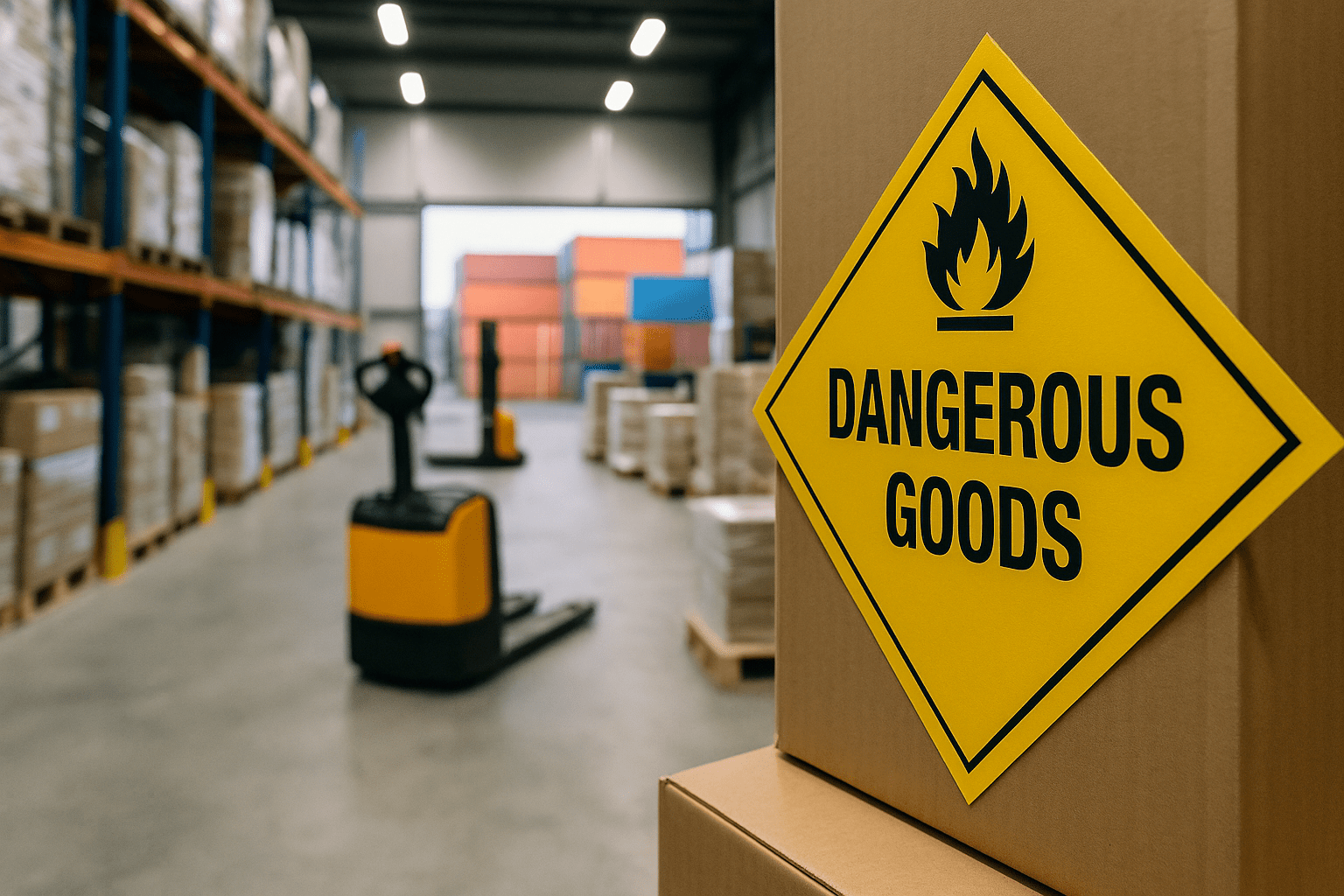
Dangerous Goods Awareness Training. dangers goods warehouse

As logistics becomes more complex and digitalised, the companies performing best aren’t just the ones investing in new systems. They’re the ones investing in their people — ensuring teams understand the fundamentals, make clear decisions and operate confidently around the products they handle every day.

At SafetyNet, we see this shift happening across Africa, the UK and maritime operations worldwide. And the message is consistent:

Awareness is becoming the new foundation of modern logistics.

This blog explores why DG Awareness is rising in importance, who needs it, and how the right training can raise your operational standards across every part of the supply chain.


What Is Dangerous Goods Awareness Training?

Dangerous Goods Awareness Training gives staff a practical understanding of how hazardous materials are identified, labelled and handled within logistics operations.

It is not a certification course for DG signatories.
It is not specialist training for DG officers.

Instead, it provides the baseline knowledge every frontline or support staff member needs to safely interact with freight that contains:

  • lithium batteries

  • aerosols

  • perfumes

  • electronics

  • adhesives

  • paints

  • chemicals

  • household goods classified as DG

  • industrial materials

  • packaged consumer products

If your team handles, stores, books, moves, checks, or transports freight — DG Awareness is for them.


Why Dangerous Goods Awareness Is Becoming Essential

1. More everyday products are now classified as DG

The biggest shift in logistics is the rise of DG-classified consumer goods.
Examples include:

  • phones

  • laptops

  • vapes

  • cleaning products

  • beauty sprays

  • power banks

  • solar batteries

  • industrial adhesives

Many teams interact with these items daily without realising they fall under DG rules.

DG awareness ensures teams recognise the basics, understand labels and know when to escalate.


2. Digitalisation is increasing speed — and expectations

With faster booking systems, automated warehouses, and real-time tracking, cargo moves more quickly than ever.

But speed only works when people are confident in the fundamentals.

DG Awareness gives staff the clarity to make quick, informed decisions without hesitation — reducing delays, confusion and miscommunication.


3. Ports, carriers and inspectors expect higher standards

Global ports and carriers have increased DG controls in recent years, leading to:

  • more documentation reviews

  • more inspection points

  • more questions about declarations

  • more scrutiny of lithium battery shipments

Awareness training helps teams interact with carriers confidently, improving acceptance rates and smoothing operational flow.


4. It strengthens safety culture across the entire operation

The best safety cultures aren’t built on policies alone.
They’re built on shared understanding.

When every team member — not just specialists — understands DG basics, the entire operation becomes more aligned, cautious and collaborative.

It creates a workplace where:

  • people speak the same language

  • potential issues are spotted early

  • processes feel clearer

  • communication improves instantly

That’s the kind of environment where safety naturally thrives.


Who Benefits Most From DG Awareness Training?

DG Awareness is the most versatile training SafetyNet offers because it supports almost every role in the supply chain.

✔ Warehouse and depot teams

For identifying labels, handling goods and storing products correctly.

✔ Freight forwarders and booking clerks

For understanding declarations, shipping requirements and customer queries.

✔ Port and terminal personnel

For vessel coordination, container checks and safe handling procedures.

✔ Drivers and courier staff

For recognising risks, reporting issues and ensuring safe transport.

✔ Customer service and admin staff

For confidently managing customer disclosures and DG-related questions.

✔ New starters and temporary staff

For building a strong foundation early in their roles.

DG Awareness is not job-specific — it raises the capability of everyone who touches the supply chain.


How DG Awareness Builds Team Confidence

One of the most common responses we hear after training is:

“This makes my job easier.”

Awareness removes guesswork — and when people understand what they’re handling, confidence increases across the operation.

Teams who complete DG Awareness Training typically report:

  • better decision-making

  • stronger communication

  • greater operational clarity

  • smoother shift handovers

  • improved coordination with carriers

  • fewer points of confusion

It’s a training that lifts morale as much as it improves safety.


What’s Inside SafetyNet’s DG Awareness Course

SafetyNet’s Dangerous Goods Awareness Training is built for real operations — not theory.
It covers:

✔ Hazard classes & labels

Understanding the symbols, numbers and basic classifications.

✔ Identifying DG in everyday products

Lithium batteries, aerosols, cosmetics, electronics, adhesives and more.

✔ Marking & packaging basics

What teams need to look for during handling and storage.

✔ Safe handling principles

How to work around DG safely and confidently.

✔ Communication & reporting

When to escalate and who to notify.

✔ Practical examples

Real-life scenarios from warehouses, ports and freight environments.

The goal is simple:
clear, operational knowledge your team can use immediately.


Why Companies Choose SafetyNet

SafetyNet is built on a single principle:

Strong skills create strong operations.

Our DG Awareness course is designed to:

  • fit busy schedules

  • make learning simple and practical

  • strengthen safety culture

  • support Africa, UK, and global maritime operations

  • raise the standard of daily work

It’s one of the most high-impact, easy-to-implement upgrades you can give your team this year.


Ready to Build a More Confident, Competent Team?

DG Awareness is the foundation of safer, smarter, more modern supply chain operations.

If your team interacts with freight in any capacity, this is the most valuable starting point.

👉 Explore Dangerous Goods Awareness Training:
https://www.safetynet.industries/

Invest in your people.
Strengthen your operation.
Build the logistics team of tomorrow.

About Post Author

admin

Happy
Happy
0 %
Sad
Sad
0 %
Excited
Excited
0 %
Sleepy
Sleepy
0 %
Angry
Angry
0 %
Surprise
Surprise
0 %

The Cost of Non-Compliance: What Dangerous Goods Mistakes Really Cost Logistics Teams

0 0
Read Time:3 Minute, 54 Second

The Cost of Non-Compliance: What Dangerous Goods Mistakes Really Cost Logistics Teams

Why Compliance Is More Than a Checkbox

Every shipment that contains dangerous goods carries more than cargo — it carries responsibility.
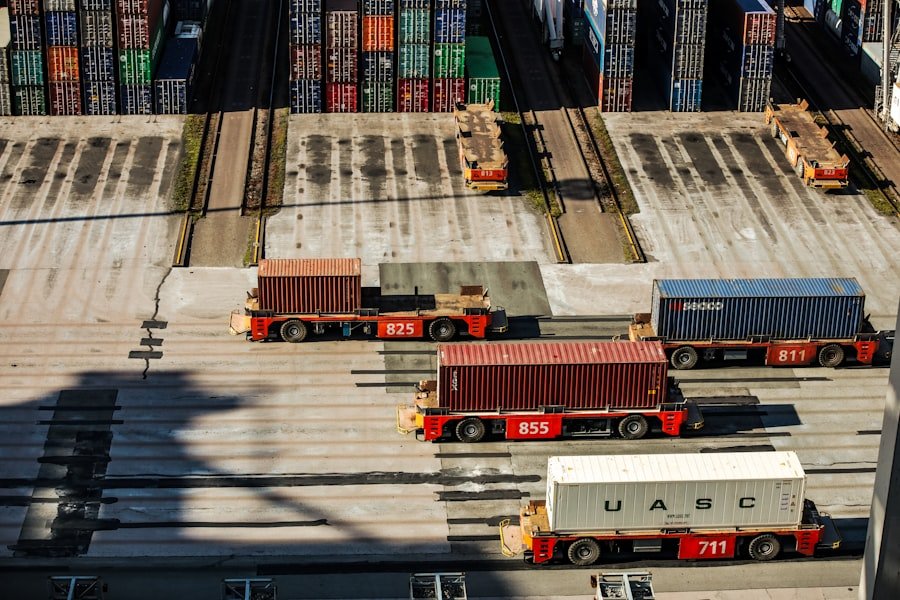
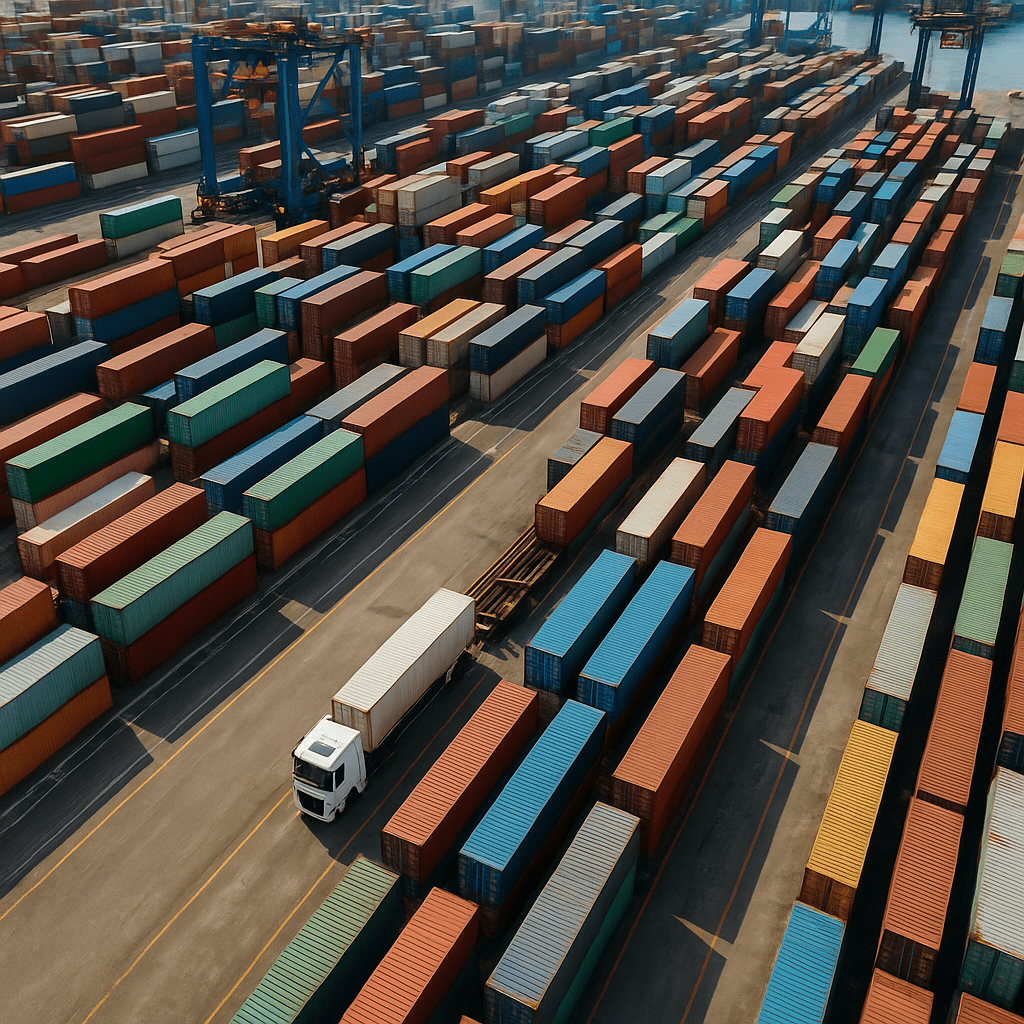
When regulations such as the IMDG Code or ADR are overlooked, the financial, operational, and reputational costs can be severe.Aerial view of a busy shipping container port showing rows of colorful cargo containers, trucks, and cranes — representing dangerous goods compliance and logistics operations.

Non-compliance is rarely intentional. It often results from outdated training, missing documentation, or assuming that someone else is handling the safety details. Yet, each oversight can create ripple effects across ports, supply chains, and communities.

According to the International Maritime Organisation (IMO), over 60% of DG-related incidents at sea stem from incorrect or incomplete declarations. That statistic translates into real-world loss — of time, of trust, and sometimes of lives.


1. Financial Penalties Add Up Fast

The most visible consequence of non-compliance is financial. Authorities worldwide issue substantial fines for violations involving misdeclared or improperly packed dangerous goods.

  • In the UK, penalties can reach £10,000 per shipment.

  • In the EU, fines can exceed €25,000 depending on severity.

  • Shipping lines often impose additional surcharges or refuse non-compliant cargo altogether.

For a mid-sized logistics firm, a single incident can wipe out months of profit. When multiple shipments are delayed or rejected, operational disruption compounds the loss.

💡 Compliance isn’t an expense — it’s risk management insurance.


2. Delays and Lost Business Opportunities

Even minor documentation errors can cause containers to be held at port for days. Missed deadlines strain customer relationships, lead to storage fees, and damage reliability scores.

Imagine a vessel scheduled to depart with hundreds of containers, if even one DG shipment fails inspection, the delay affects the entire supply chain.
The cost of that reputation hit is rarely visible on paper but echoes in future contract negotiations.


Compliance rules exist for a reason. Improper handling of dangerous goods can cause fires, explosions, or chemical exposure incidents.
When an accident occurs, investigators trace the failure back to the source and if training records or documentation are missing, liability extends to the company and its directors.

By contrast, properly trained staff can recognise hazards early and prevent escalation.
The IMDG Code and ADR both emphasise function-specific training for exactly this reason: competence saves lives.


4. The Hidden Cost of Reputational Damage

In today’s transparent world, one safety breach can make global headlines.
Public perception of poor compliance can close doors faster than any regulator’s order.

Companies that invest in visible, verified safety programmes build credibility with partners, regulators, and clients.
That trust often becomes a competitive advantage in contract bids and global partnerships.


5. The Digital Shift: Preventing Errors Before They Happen

Manual systems make it easy for compliance gaps to slip through.
Tracking certificates on spreadsheets or relying on paper records leaves room for error and missed renewals.

Forward-thinking logistics teams are adopting digital compliance systems that automate reminders, centralise documentation, and flag training gaps.
For example, a Digital Recordkeeping Toolkit ensures every team member’s certification is current — and retraining is triggered automatically before expiry.

This digital transformation not only protects against risk but demonstrates readiness for audits and client inspections.

📘 Explore our free Digital Recordkeeping Toolkit.


6. Building Compliance Into Company Culture

The safest operations treat compliance as a continuous journey, not a one-time project.
This means encouraging every employee from loaders to logistics managers, to understand how their role contributes to overall safety.

Regular toolbox talks, microlearning refreshers, and incident review meetings all strengthen awareness and accountability.
Embedding safety into daily work turns regulatory obligation into collective pride.


How to Stay Ahead: Practical Steps for 2025

To avoid non-compliance penalties and safety incidents, logistics teams should act now:

  1. Audit current training coverage — verify all staff with DG responsibilities are trained.

  2. Digitise training records — eliminate paper files and centralise data.

  3. Refresh safety policies — align internal procedures with IMDG 2025 and ADR 2025 updates.

  4. Schedule refresher training — ideally every two years or after regulation changes.

  5. Review supplier compliance — your chain is only as strong as its weakest link.

Proactive compliance not only meets regulation but also boosts productivity and reliability across your operations.


Conclusion:

In logistics, every hour and every shipment counts. Companies that prioritise dangerous goods compliance aren’t just avoiding penalties they’re building sustainable, trusted brands that clients want to work with.

With IMDG 2025 approaching, now is the moment to review training systems, modernise documentation, and invest in a culture of accountability.

At SafetyNet Industries, we support logistics teams worldwide with certified e-learning, compliance audits, and free digital tools to make safety simple and scalable.

🔗 Explore our IMDG and ADR training courses

About Post Author

admin

Happy
Happy
0 %
Sad
Sad
0 %
Excited
Excited
0 %
Sleepy
Sleepy
0 %
Angry
Angry
0 %
Surprise
Surprise
0 %

IMDG 2025 Compliance: What Maritime Operators Must Do Now

0 0
Read Time:4 Minute, 55 Second

The IMDG Code Amendment 42-24 marks a new chapter in maritime safety. Beginning 1 January 2025, companies can adopt the new edition voluntarily, with mandatory compliance by January 2026.

For many shipping and logistics companies, IMDG 2025 compliance is not just about meeting regulation. It’s about future-proofing safety, reducing delays, and strengthening global trust. Those who act early will gain an operational edge and avoid last-minute pressure as enforcement draws closer.

According to the International Maritime Organisation (IMO), over 60% of DG-related incidents are caused by documentation or training errors. This update aims to close those gaps with clearer classification, digital documentation guidance, and updated training standards.


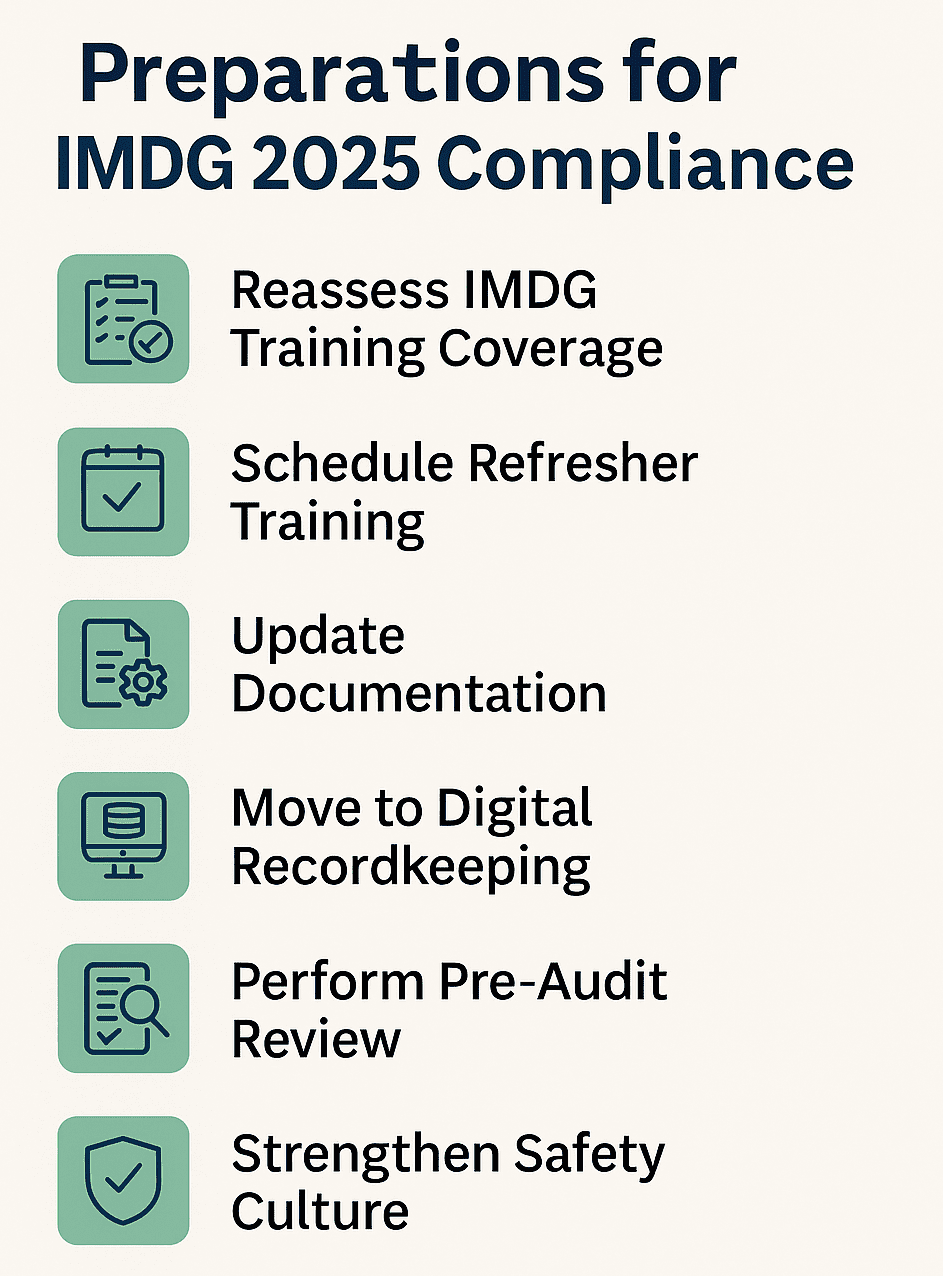
Step 1: Reassess Your IMDG Training Coverage

Chapter 1.3 of the IMDG Code makes it clear – training is mandatory for all shore-based personnel involved in dangerous goods transport. Yet many organisations still overlook support roles such as loaders, port staff and documentation teams.

To start your IMDG 2025 compliance journey, run an internal training audit:

  • Check every role involved in DG transport or documentation

  • Verify certificate expiry dates and trainer credentials

  • Confirm refresher cycles align with the 2-year IMDG requirement

➡️ Download: IMDG Training Matrix & FAQ (2025 Edition)

Companies that review early can prevent compliance gaps during audits and keep records clean for inspection.


Step 2: Schedule Early Refresher Training

Even if your team has valid certificates, they may predate Amendment 42-24. Schedule refresher training in early 2025 to cover key updates:

  • New and reclassified UN numbers

  • Lithium battery handling and testing revisions

  • Adjusted packing and marking provisions

  • Clarity on marine pollutant definitions

Digital courses allow flexible delivery and audit-ready tracking. SafetyNet International’s IMDG E-Learning courses offer certification aligned with the latest code and can be rolled out across multiple sites.


Step 3: Update SOPs and Documentation

Amendment 42-24 includes terminology and procedural refinements that should be reflected in your operational manuals. Review and update:

  • Dangerous Goods Declarations (DGD)

  • Emergency Response Instructions

  • Packing and segregation procedures

  • Hazard labelling and placarding templates

Ensure that every controlled document references “IMDG Code 2025 (Amendment 42-24).”

This simple step demonstrates awareness and alignment during audits.

(External link: IMO – Dangerous Goods Regulations)


Step 4: Move Toward Digital Recordkeeping

The move from paper to digital is one of the biggest operational upgrades under IMDG 2025.

Companies still managing training and shipment data in folders risk missing deadlines, misplacing records, or failing audits.

Digital systems offer:

  • Centralised training logs and certificate databases

  • Automated renewal reminders

  • Easy sharing with clients or authorities

  • Secure storage and instant retrieval

Migrating to a digital recordkeeping toolkit by mid-2025 ensures a smooth transition before enforcement.

➡️ Resource: Digital Compliance Recordkeeping Toolkit


Step 5: Conduct a Pre-Audit Readiness Review

Internal audits help identify weaknesses before inspectors do.

A pre-audit should review:

  • Expired certificates or incomplete refresher logs

  • Incorrect or outdated labels on packaging

  • Training records missing job-role alignment

  • Documentation inconsistencies across sites

Running a review by June 2025 gives your teams time to resolve findings and demonstrate due diligence.

➡️ Download: Audit-Ready IMDG Training Checklist


Step 6: Strengthen Your Safety Culture

True compliance goes beyond checklists.

An embedded safety culture ensures every team member understands how their role affects safety and reputation.

You can build this culture by:

  • Recognising staff who identify or report DG issues

  • Conducting monthly toolbox talks using real scenarios

  • Integrating IMDG awareness into onboarding and team briefings

According to the UK Maritime and Coastguard Agency (MCA), building proactive safety cultures can reduce incident rates by up to 40%. This proves that compliance isn’t a cost — it’s a performance advantage.

(External link: UK MCA – Maritime Safety Guidance)


Strategic ROI of IMDG 2025 Compliance

Leading maritime operators see IMDG 2025 compliance not as regulation, but as an opportunity.

Those who implement digital systems and training updates early report measurable results:

Benefit

Impact

Reduced port delays

Up to 30% faster inspections

Fewer non-compliance fines

Savings of £5,000–£15,000 per incident

Faster training verification

< 10 minutes vs hours manually

Improved reputation

Stronger trust with global carriers

Early action builds resilience and gives your brand a competitive edge in the global logistics chain.


Common Mistakes to Avoid

  1. Assuming previous certificates remain valid post-2024.

  2. Overlooking support roles such as warehouse or documentation teams.

  3. Relying on outdated templates or forms.

  4. Using spreadsheets instead of digital record systems.

  5. Treating compliance as a one-off task instead of continuous improvement.

Avoid these pitfalls and your transition to IMDG 2025 will be smooth and verifiable.


FAQ (Schema-Optimised for Rank Math)

Q: When does IMDG Code 2025 become mandatory?

A: The IMDG Code Amendment 42-24 becomes mandatory from 1 January 2026, with optional implementation starting 1 January 2025.

Q: Who must complete IMDG 2025 compliance training?

A: All shore-based personnel handling, packaging, documenting, or managing dangerous goods must receive function-specific training under Chapter 1.3 of the Code.

Q: Can IMDG training be completed online?

A: Yes. Digital IMDG courses are fully recognised and ideal for multisite operations, enabling faster tracking and audit-ready certificates.


Resources for IMDG 2025 Compliance

Explore SafetyNet International’s free compliance tools designed to make IMDG 2025 transition seamless:

  • IMDG Training Matrix & FAQ (2025 Edition) – Clarify role-specific obligations.

  • Audit-Ready IMDG Checklist – Self-audit your training compliance.

  • Digital Recordkeeping Toolkit – Manage documentation securely.

  • IMDG 2025 Readiness Guide – Full overview of new rules, timelines, and best practices.

📘 Access all resources here


Key Steps for Maritime Operators” showing icons of ships, containers, and safety checklists in a blue and white maritime colour scheme, illustrating key stages of IMDG 2025 compliance preparation for SafetyNet InternationalFinal Thoughts

IMDG 2025 compliance represents a shift toward smarter, data-driven safety across maritime operations.

By preparing now updating training, digitising records, and embedding a culture of accountability — operators will move into 2026 fully confident in their systems and workforce.

At SafetyNet International, we help maritime organisations achieve that confidence through certified IMDG e-learning, custom training plans, and free digital compliance tools.

Start your readiness journey today at www.imdg-course.com

About Post Author

admin

Happy
Happy
0 %
Sad
Sad
0 %
Excited
Excited
0 %
Sleepy
Sleepy
0 %
Angry
Angry
0 %
Surprise
Surprise
0 %

Why Businesses Are Turning to E-Learning for Safety Training in 2025

0 0
Read Time:5 Minute, 36 Second

The landscape of safety training in Africa is evolving faster than ever. As we move into 2025, companies across logistics, construction, oil and gas, and manufacturing are rethinking how they train their workforce.

Traditional, classroom-based training models are no longer enough. High staff turnover, remote job sites, and increasing regulatory demands have made it difficult for businesses to keep everyone up to date.

Enter e-learning safety training — a scalable, affordable, and efficient solution that’s helping organisations strengthen safety culture while maintaining compliance. With Africa’s digital transformation accelerating, now is the moment for safety leaders to take advantage of these tools and build a safer, smarter future.


Why Traditional Safety Training Is Losing Ground

For decades, most African companies relied on classroom or workshop-style safety training. While effective in small settings, this approach comes with significant challenges in today’s fast-paced industries:

  • Difficult to scale: In-person sessions are hard to coordinate across multiple regions or job sites.

  • Inconsistent delivery: Training quality varies depending on the trainer or facility.

  • Time-consuming: Scheduling sessions disrupts operations and delays onboarding.

  • Costly to repeat: High turnover means paying repeatedly for travel, trainers, and printed materials.

These barriers often result in gaps in compliance, inconsistent understanding of safety procedures, and increased risk exposure.

By contrast, e-learning platforms make safety education accessible, standardised, and data-driven — helping businesses stay audit-ready with minimal disruption.


The Rise of E-Learning Safety Training in Africa

Across Africa, companies and regulators are recognising the advantages of digital learning. The combination of growing mobile internet access, affordable cloud technology, and younger, tech-savvy workforces has set the stage for a revolution in compliance and safety training.

Here’s what’s driving this shift:

Kenya: Transport and logistics firms are adopting digital modules for driver onboarding, reducing the need for centralised classroom sessions.

Nigeria: Manufacturing plants are integrating mobile-friendly e-learning for hazardous operations, improving safety compliance while cutting downtime.

Ghana and South Africa: Regulators are encouraging digital record-keeping for compliance, making electronic certificates and dashboards the new norm.

This digital transition is not an isolated trend — it reflects a broader movement towards data-driven, digitally connected workforce development across the continent.


5 Reasons to Adopt E-Learning Safety Training Now

If your organisation still relies on traditional safety training, 2025 is the time to modernise. Here’s why:

1. Consistency Across Every Site

With e-learning, every employee receives the same training content, no matter their location or shift. This ensures unified understanding of safety protocols across warehouses, ports, or project sites.

2. Real-Time Tracking and Reporting

Modern learning platforms provide live dashboards where managers can monitor completion rates, expiry dates, and compliance gaps. This real-time visibility makes it easier to manage large teams and prepare for audits.

3. Lower Costs, Higher Impact

By eliminating travel and trainer costs, e-learning delivers better ROI. Digital modules and microlearning lessons also increase retention — employees can review short lessons anytime, reinforcing critical safety behaviours.

4. Faster Onboarding

New hires can start their mandatory training immediately, even before their first shift. This reduces onboarding time, minimises early safety risks, and gets staff operational faster.

5. Easier Audits and Compliance

Digital certificates and automatic record keeping mean you can prove compliance in seconds. Whether it’s for IMDG, ADR, ISO, or national safety standards, audit readiness becomes effortless.


How to Get Started with E-Learning Safety Training

Transitioning to e-learning may sound complex, but it can be implemented step by step.

Here’s how to start building your e-learning strategy:

  1. Assess your training needs.

    Map out the roles in your organisation that require safety or compliance training. Consider functions such as drivers, warehouse operators, port handlers, and administrative staff.

  2. Select the right platform.

    Choose an LMS (Learning Management System) that works offline or on mobile devices — essential for African regions with inconsistent internet. Look for platforms that support digital certification and multilingual options.

  3. Create a 12-month training roadmap.

    Align your learning schedule with regulations such as IMDG, ADR, and local transport or occupational safety laws. Plan refresher training every two years, and assign responsibility for tracking progress.

  4. Blend formats for engagement.

    Combine short microlearning videos, interactive quizzes, and scenario-based simulations to keep learners engaged and reinforce understanding.

  5. Measure your results.

    Track participation rates, completion times, and post-training performance. This data not only ensures compliance but also identifies opportunities to improve your safety culture.

👉 Download the Free E-Learning Strategy Template

To make it easier, SafetyNet Africa offers a ready-to-use planning tool to map training needs, assign responsibilities, and track KPIs.

Download the E-Learning Strategy Template →


The Broader Benefits of E-Learning Safety Training

Beyond compliance, e-learning helps organisations strengthen culture and resilience. When employees can access training anytime, anywhere, they feel empowered to take ownership of their safety.

This approach also supports environmental sustainability by reducing paper, travel, and printed materials — aligning with the growing ESG commitments of many African logistics and energy firms.

From Nairobi to Lagos to Durban, the companies investing in e-learning today are not only meeting regulations but also building stronger, smarter safety cultures that attract global partners and clients.


Challenges to Address

While e-learning delivers measurable benefits, success requires careful rollout.

Common challenges include:

  • Connectivity issues: Choose platforms with offline mode or downloadable lessons.

  • Low digital literacy: Include short introductions or support guides for first-time users.

  • Management buy-in: Demonstrate ROI by tracking reductions in incidents or training costs.

These are manageable with the right implementation strategy — and the returns far outweigh the effort.


Looking Ahead: 2025 and Beyond

By 2025, digital compliance systems are expected to become the norm for dangerous goods and occupational safety across Africa.

Companies that move early will not only reduce risk but also enhance reputation and competitiveness.

SafetyNet Africa continues to support this transition through certified e-learning solutions tailored to regional conditions — mobile-first, accessible, and built for African operations.

With Amendment 42-24 of the IMDG Code taking effect, there’s no better time to integrate e-learning into your training and compliance systems.


Final Thoughts

Why Businesses Are Turning to E-Learning for SafetyE-learning safety training in Africa is more than a technology trend — it’s a practical, proven solution for protecting lives and improving performance. With regulators such as the International Maritime Organization updating the IMDG Code, digital learning tools are fast becoming essential for compliance and workforce resilience.

Whether you manage a port, warehouse, manufacturing plant, or transport fleet, digital training ensures your workforce remains competent, compliant, and confident in 2025 and beyond.

📘 Ready to build your e-learning strategy?

Download your free template or speak to our team today at www.safetynet.africa.

About Post Author

admin

Happy
Happy
0 %
Sad
Sad
0 %
Excited
Excited
0 %
Sleepy
Sleepy
0 %
Angry
Angry
0 %
Surprise
Surprise
0 %

ADR vs IMDG: What’s the Difference in Dangerous Goods Training?

0 0
Read Time:2 Minute, 40 Second

When transporting dangerous goods, one of the biggest questions is: Which training applies—ADR or IMDG? Both frameworks are globally recognised, but they apply in different contexts and require specific training to ensure compliance and safety.

In this article, we’ll break down the difference between ADR and IMDG training, explain who needs each one, and help you decide which applies to your shipments.


What is ADR Training?

ADR stands for the European Agreement Concerning the International Carriage of Dangerous Goods by Road. It governs the movement of dangerous goods by road transport across Europe and beyond.

  • Scope: Road transport within Europe and signatory countries

  • Who Needs It: Drivers, loaders, packers, warehouse staff, safety advisors

  • Training Content: Classification, packing, marking, vehicle requirements, emergency response

  • Format: Often includes both classroom and online options, with refresher training required every 5 years

ADR training ensures that road shipments remain safe, compliant, and consistent across borders.


What is IMDG Training?

The IMDG Code (International Maritime Dangerous Goods Code) applies to sea transport of dangerous goods. It’s published by the International Maritime Organisation (IMO) and is mandatory under SOLAS.

  • Scope: Maritime shipments worldwide

  • Who Needs It: Freight forwarders, shipping line staff, port handlers, warehouse loaders, DGSAs

  • Training Content: Classification, packing, labeling, stowage, segregation, emergency response

  • Format: Can be delivered via certified e-learning, with refresher training required every 2 years

IMDG training is crucial for ensuring safe handling of hazardous materials at sea, preventing accidents, delays, and environmental risks.


ADR vs IMDG: Key Differences in Training

Feature

ADR Training (Road)

IMDG Training (Sea)

Mode of Transport

Road

Sea

Governing Body

UNECE (United Nations Economic Commission for Europe)

IMO (International Maritime Organization)

Geographical Scope

Europe + signatory states

Global

Validity

5 years

2 years

Key Roles

Drivers, loaders, packers

Freight forwarders, port staff, vessel crew

Focus Areas

Vehicle safety, tunnel restrictions, accident procedures

Stowage, segregation, marine pollutants, emergency response

This comparison highlights how mode of transport dictates the type of training required.


Which Training Do You Need?

The correct training depends on:

  1. Transport Mode: Road = ADR, Sea = IMDG

  2. Your Role: Direct handlers and supervisors must be trained

  3. Cargo Destination: Multimodal shipments may require both ADR and IMDG training

For example:

  • A driver moving goods from Germany to a port needs ADR training.

  • A freight forwarder booking a container from Rotterdam to Singapore needs IMDG training.

  • A multimodal logistics company may need both.


Why It Matters

Failure to comply with ADR or IMDG training requirements can result in:

  • Heavy fines

  • Shipment delays or refusals

  • Increased risk of accidents

  • Damage to reputation and client trust

By investing in the right training, companies protect both their people and their cargo.


✅ Lead Magnet: ADR vs IMDG Comparison Checklist

To make this easier, we’ve created a one-page checklist that shows exactly who needs ADR vs IMDG training, when, and why.

👉 Download the ADR vs IMDG Training Comparison Checklist here


Final Thoughts

Dangerous goods transport requires clear understanding of which training applies. ADR training covers road transport across Europe, while IMDG training covers global sea shipments. Both are critical for compliance and safety—and in multimodal logistics, companies may need both.

For certified ADR and IMDG training resources, explore our Free Resources Library.

About Post Author

admin

Happy
Happy
0 %
Sad
Sad
0 %
Excited
Excited
0 %
Sleepy
Sleepy
0 %
Angry
Angry
0 %
Surprise
Surprise
0 %

Safety Starts with Skills: Why Investing in Local Training Is Transforming Africa’s Logistics Sector

0 0
Read Time:3 Minute, 54 Second

Training as the Foundation of Safe LogisticsSafety training in African logistics checklist graphic highlighting training planners, compliance tracking, and refresher cycles

Africa’s logistics sector is expanding at a remarkable pace. From bustling ports in Lagos and Durban to new inland transport corridors connecting East and Central Africa, trade routes are busier than ever. This growth is a powerful driver of economic development, but it also brings new risks. As cargo volumes rise and as more dangerous goods move through the supply chain safety becomes non-negotiable.

Safety training in African logistics is no longer just about ticking compliance boxes. It is about creating resilient operations, building skilled teams, and strengthening Africa’s reputation as a competitive global logistics hub. Companies that invest in training today will be better positioned to reduce accidents, stay compliant, and grow sustainably in 2025 and beyond.


1. The Compliance Imperative

International frameworks like the IMDG Code (for maritime), ADR (for road transport), and local regulatory frameworks require anyone handling or influencing dangerous goods to receive function-specific training.

For African logistics companies, this is especially critical:

  • Ports and customs authorities are tightening checks on training certificates.

  • Regulators are increasingly enforcing international standards at a local level.

  • Clients and shipping partners demand proof of training before awarding contracts.

A lapse in compliance does not just mean fines. It can cause shipment delays, damaged reputations, and increased risks to staff and communities.

Case Insight: A 2023 East African port inspection revealed that 40% of dangerous goods shipments faced delays due to missing or outdated training records (UNECA).


2. Building Local Capacity

Traditionally, many logistics companies relied on external trainers flown in from Europe or Asia. While valuable, this model is expensive and unsustainable in the long term.

The new wave is building local training capacity. Regional training centres, accredited local trainers, and partnerships with international experts ensure knowledge stays in Africa and grows with the sector.

Benefits include:

  • Lower training costs per staff member.

  • Greater accessibility, as teams do not need to wait for overseas trainers.

  • Retention of expertise within the region, building a stronger long-term foundation.

This approach also creates jobs and career pathways in logistics safety — a field that is often overlooked yet critical to Africa’s trade future.


3. Training as a Driver of Performance

Beyond compliance, training brings tangible operational benefits:

  • Reduced downtime: trained staff know how to handle incidents quickly and effectively.

  • Fewer accidents: prevention and preparedness lower the risk of costly disruptions.

  • Higher client trust: companies with strong training programmes stand out in tenders and partnerships.

  • Employee retention: when staff feel invested in, they are more likely to stay, reducing turnover and recruitment costs.

In short, safety training in logistics is not an expense — it is an investment that pays back in efficiency, resilience, and growth.


4. Common Gaps Holding Companies Back

Despite the progress, several gaps remain in the sector:

  • Drivers often miss refresher courses on handling dangerous goods.

  • Warehouse staff may lack awareness of PPE standards and safe packaging rules.

  • Documentation teams are not always updated on IMDG classification changes.

  • HR and compliance leads often rely on paper-based records, making audits difficult.

These gaps increase the risk of non-compliance and reduce competitiveness in global trade.


5. Smarter Solutions: Digital Training Planners

One of the most effective ways to close these gaps is through training planners and digital record keeping tools.

Instead of relying on manual records, HR and compliance leads can:

  • Map out training schedules for 6–12 months.

  • Track certificate validity and renewal cycles.

  • Align training with global regulatory updates, such as IMDG Amendment 42-24.

📥 To help, SafetyNet Africa has developed a Safety Training Planner for HR & Compliance Leads. It’s designed specifically for logistics teams, with tracker columns for location, certificate status, and renewal reminders.


6. A Regional Opportunity

Africa’s logistics industry is unique. It faces diverse conditions — from high-volume container hubs to remote inland trucking routes. But this diversity also creates opportunity. By investing in regionally relevant training, African logistics companies can:

  • Build stronger safety cultures across borders.

  • Enhance recognition of training qualifications between neighbouring countries.

  • Set Africa-wide benchmarks for dangerous goods handling and compliance.

Collaboration between regulators, ports, and private companies will be key in unlocking this potential.


Conclusion: Safety Training Is Growth Strategy

In 2025, the logistics sector in Africa will continue to expand — and with it, the expectations for compliance and safety. Safety training in logistics is not just a legal requirement. It is a driver of trust, performance, and resilience.

By investing in local skills, embracing digital tools, and closing training gaps, African logistics companies can lead the way in safe, sustainable growth.

📥 Download the free Safety Training Planner today and make sure your teams are ready for 2025.

About Post Author

admin

Happy
Happy
0 %
Sad
Sad
0 %
Excited
Excited
0 %
Sleepy
Sleepy
0 %
Angry
Angry
0 %
Surprise
Surprise
0 %