
 0
0
 0
0
The Cost of Non-Compliance: What Dangerous Goods Mistakes Really Cost Logistics Teams
Why Compliance Is More Than a Checkbox
Every shipment that contains dangerous goods carries more than cargo — it carries responsibility.
When regulations such as the IMDG Code or ADR are overlooked, the financial, operational, and reputational costs can be severe.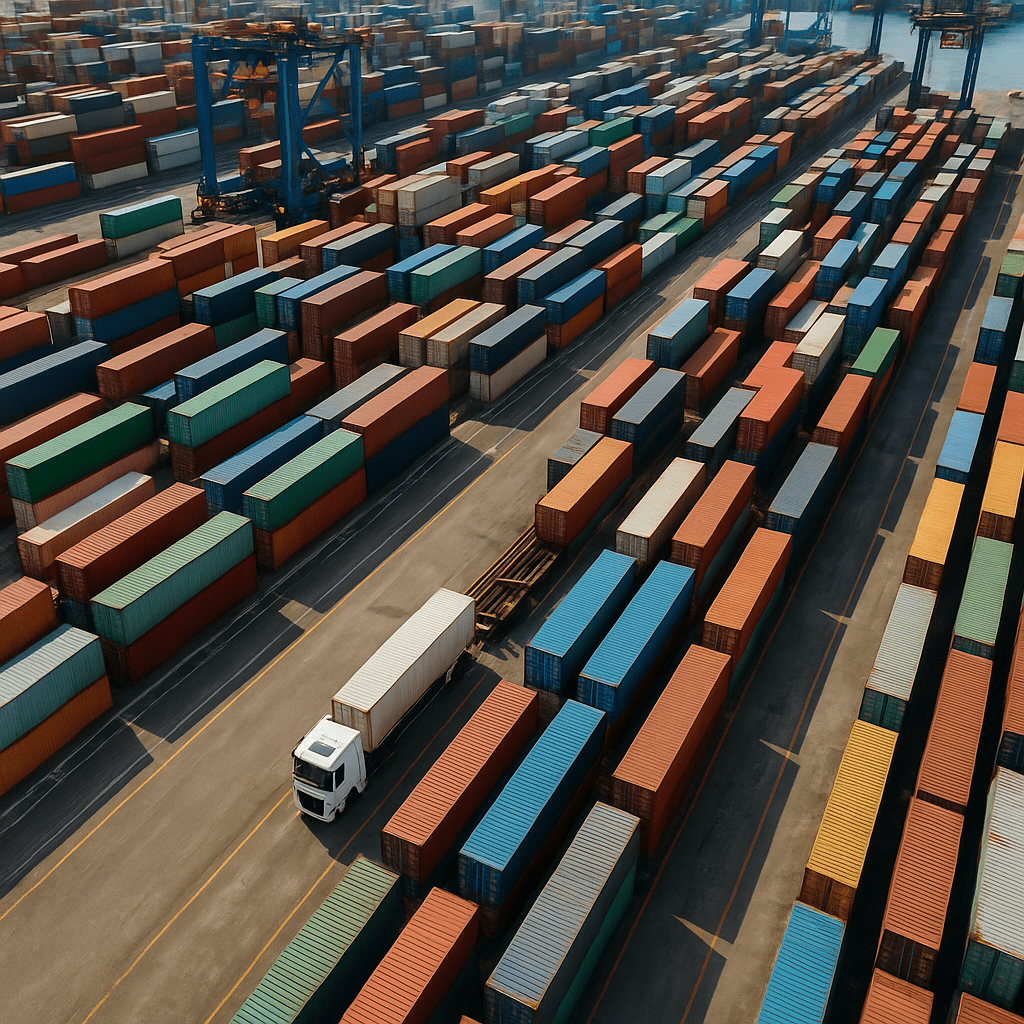
Non-compliance is rarely intentional. It often results from outdated training, missing documentation, or assuming that someone else is handling the safety details. Yet, each oversight can create ripple effects across ports, supply chains, and communities.
According to the International Maritime Organisation (IMO), over 60% of DG-related incidents at sea stem from incorrect or incomplete declarations. That statistic translates into real-world loss — of time, of trust, and sometimes of lives.
1. Financial Penalties Add Up Fast
The most visible consequence of non-compliance is financial. Authorities worldwide issue substantial fines for violations involving misdeclared or improperly packed dangerous goods.
-
In the UK, penalties can reach £10,000 per shipment.
-
In the EU, fines can exceed €25,000 depending on severity.
-
Shipping lines often impose additional surcharges or refuse non-compliant cargo altogether.
For a mid-sized logistics firm, a single incident can wipe out months of profit. When multiple shipments are delayed or rejected, operational disruption compounds the loss.
💡 Compliance isn’t an expense — it’s risk management insurance.
2. Delays and Lost Business Opportunities
Even minor documentation errors can cause containers to be held at port for days. Missed deadlines strain customer relationships, lead to storage fees, and damage reliability scores.
Imagine a vessel scheduled to depart with hundreds of containers, if even one DG shipment fails inspection, the delay affects the entire supply chain.
The cost of that reputation hit is rarely visible on paper but echoes in future contract negotiations.
3. Safety Risks and Legal Exposure
Compliance rules exist for a reason. Improper handling of dangerous goods can cause fires, explosions, or chemical exposure incidents.
When an accident occurs, investigators trace the failure back to the source and if training records or documentation are missing, liability extends to the company and its directors.
By contrast, properly trained staff can recognise hazards early and prevent escalation.
The IMDG Code and ADR both emphasise function-specific training for exactly this reason: competence saves lives.
4. The Hidden Cost of Reputational Damage
In today’s transparent world, one safety breach can make global headlines.
Public perception of poor compliance can close doors faster than any regulator’s order.
Companies that invest in visible, verified safety programmes build credibility with partners, regulators, and clients.
That trust often becomes a competitive advantage in contract bids and global partnerships.
5. The Digital Shift: Preventing Errors Before They Happen
Manual systems make it easy for compliance gaps to slip through.
Tracking certificates on spreadsheets or relying on paper records leaves room for error and missed renewals.
Forward-thinking logistics teams are adopting digital compliance systems that automate reminders, centralise documentation, and flag training gaps.
For example, a Digital Recordkeeping Toolkit ensures every team member’s certification is current — and retraining is triggered automatically before expiry.
This digital transformation not only protects against risk but demonstrates readiness for audits and client inspections.
📘 Explore our free Digital Recordkeeping Toolkit.
6. Building Compliance Into Company Culture
The safest operations treat compliance as a continuous journey, not a one-time project.
This means encouraging every employee from loaders to logistics managers, to understand how their role contributes to overall safety.
Regular toolbox talks, microlearning refreshers, and incident review meetings all strengthen awareness and accountability.
Embedding safety into daily work turns regulatory obligation into collective pride.
How to Stay Ahead: Practical Steps for 2025
To avoid non-compliance penalties and safety incidents, logistics teams should act now:
-
Audit current training coverage — verify all staff with DG responsibilities are trained.
-
Digitise training records — eliminate paper files and centralise data.
-
Refresh safety policies — align internal procedures with IMDG 2025 and ADR 2025 updates.
-
Schedule refresher training — ideally every two years or after regulation changes.
-
Review supplier compliance — your chain is only as strong as its weakest link.
Proactive compliance not only meets regulation but also boosts productivity and reliability across your operations.
Conclusion:
In logistics, every hour and every shipment counts. Companies that prioritise dangerous goods compliance aren’t just avoiding penalties they’re building sustainable, trusted brands that clients want to work with.
With IMDG 2025 approaching, now is the moment to review training systems, modernise documentation, and invest in a culture of accountability.
At SafetyNet Industries, we support logistics teams worldwide with certified e-learning, compliance audits, and free digital tools to make safety simple and scalable.
🔗 Explore our IMDG and ADR training courses


