
 0
0
 0
0
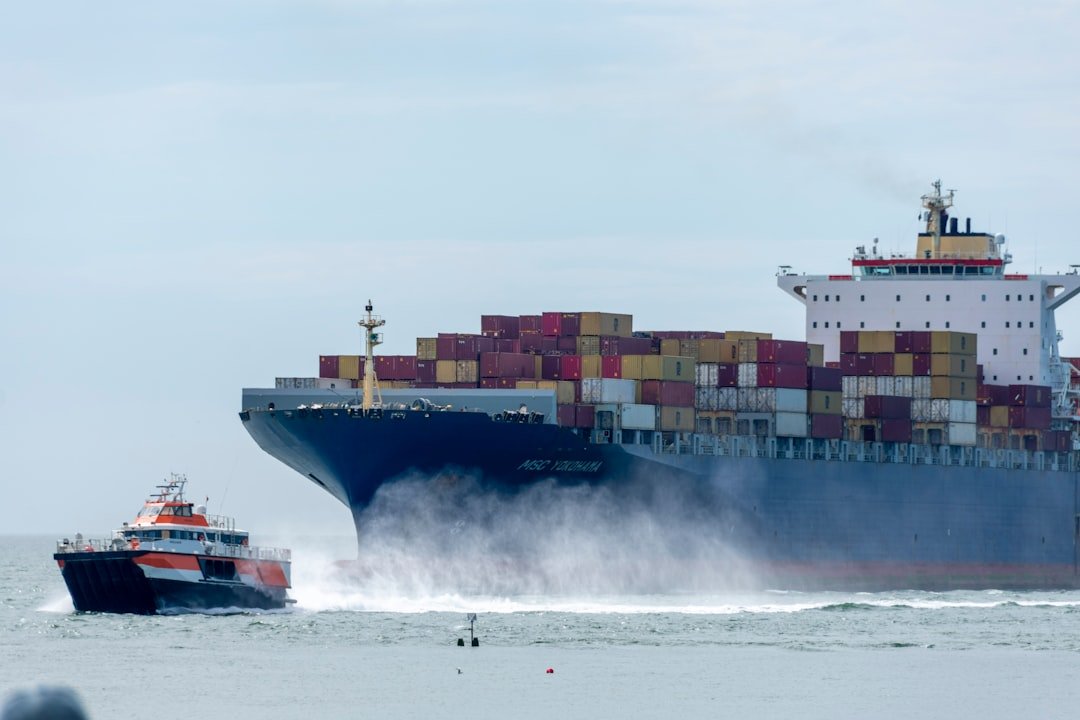
Maritime safety is a critical aspect of global trade and transportation, impacting not only the shipping industry but also the environment and public health. As you navigate the complexities of maritime operations, you must recognize that safety is paramount. The vastness of the oceans and the intricacies of shipping routes present unique challenges that require stringent safety measures. Every year, thousands of vessels traverse international waters, carrying goods that are essential for economies worldwide. However, with this immense responsibility comes the potential for accidents, spills, and other incidents that can have devastating consequences.
Understanding the importance of maritime safety means acknowledging the risks involved in transporting goods across seas and oceans. You are part of a system that relies on safe practices to prevent accidents and ensure the well-being of crew members, cargo, and the marine environment. By prioritizing safety, you contribute to a culture that values risk management and proactive measures, ultimately fostering a safer maritime industry for everyone involved.
For those interested in delving deeper into the intricacies of maritime safety and the International Maritime Dangerous Goods (IMDG) Code, a related article that provides valuable insights can be found at this link: Understanding Maritime Safety and the IMDG Code. This resource offers a comprehensive overview of the regulations and best practices essential for ensuring safe transport of hazardous materials by sea, making it a crucial read for professionals in the maritime industry.
Understanding the IMDG Code
The International Maritime Dangerous Goods (IMDG) Code serves as a vital framework for the safe transportation of hazardous materials by sea. As you delve into this code, you will discover its purpose: to protect people, property, and the environment from the risks associated with dangerous goods. The IMDG Code provides guidelines for classification, packaging, labeling, and documentation, ensuring that all parties involved in maritime transport are aware of the hazards they may encounter.
Familiarizing yourself with the IMDG Code is essential for anyone working in maritime logistics or transportation. It is not merely a set of rules; it is a comprehensive guide that outlines best practices for handling dangerous goods. By understanding its provisions, you can help mitigate risks and ensure compliance with international regulations. This knowledge empowers you to make informed decisions that enhance safety and efficiency in your operations.
The Role of IMDG Training in Ensuring Maritime Safety
IMDG training plays a crucial role in fostering a culture of safety within the maritime industry. As you engage in training programs, you will gain valuable insights into the complexities of handling dangerous goods. These programs are designed to equip you with the knowledge and skills necessary to navigate the challenges associated with hazardous materials. From understanding the classification of dangerous goods to mastering proper handling techniques, training ensures that you are prepared for any situation.
Moreover, IMDG training emphasizes the importance of teamwork and communication in maintaining safety standards. You will learn how to collaborate effectively with colleagues and stakeholders to ensure that everyone is on the same page regarding safety protocols. This collective effort is vital in preventing accidents and ensuring compliance with regulations. By investing time in IMDG training, you are not only enhancing your own skills but also contributing to a safer maritime environment for all.
Key Components of the IMDG Code
The IMDG Code comprises several key components that are essential for the safe transport of dangerous goods. One of the primary elements is the classification system, which categorizes hazardous materials based on their properties and potential risks. As you familiarize yourself with these classifications, you will understand how different substances require specific handling procedures to mitigate dangers effectively.
Another critical component is packaging. The IMDG Code outlines stringent requirements for packaging dangerous goods to prevent leaks or spills during transit. You will learn about the various types of packaging materials and containers suitable for different classes of hazardous materials. Additionally, labeling and marking are vital aspects of compliance; proper labels inform handlers about the nature of the cargo and any associated risks. By mastering these components, you will be better equipped to ensure safe transportation practices.
Understanding Maritime Safety and the IMDG Code is crucial for ensuring the safe transport of hazardous materials across oceans. A related article that delves into the broader context of dangerous goods transport is available at this link, where you can explore how Arab states have recently approved an initiative aimed at enhancing safety standards for the road transport of dangerous goods. This initiative complements the principles outlined in the IMDG Code, highlighting the global effort to improve safety in the handling and transportation of hazardous materials. For more information, you can read the full article here.
The Significance of Proper Handling and Transportation of Dangerous Goods
| Aspect | Metrics |
|---|---|
| Accidents | Number of maritime accidents related to dangerous goods |
| Compliance | Percentage of vessels complying with IMDG Code regulations |
| Training | Number of personnel trained in IMDG Code requirements |
| Incidents | Number of incidents involving improper handling of dangerous goods |
Proper handling and transportation of dangerous goods are paramount in preventing accidents and protecting lives. As you engage in this field, you must recognize that even minor oversights can lead to catastrophic consequences. The significance of adhering to established protocols cannot be overstated; it is your responsibility to ensure that hazardous materials are managed with care at every stage of the supply chain.
Moreover, understanding the implications of improper handling extends beyond immediate safety concerns. Environmental protection is also at stake; spills or accidents can have long-lasting effects on marine ecosystems and coastal communities. By prioritizing proper handling practices, you contribute to a sustainable future where both human safety and environmental integrity are preserved.
For those looking to deepen their knowledge of maritime safety and the IMDG Code, a related article can provide valuable insights into the best practices for handling hazardous materials at sea. Understanding the intricacies of these regulations is crucial for ensuring compliance and safety in maritime operations. You can explore more about this topic in the article available at SafetyNet Africa, which offers comprehensive information on maritime safety standards and guidelines.
The Role of Classification, Packaging, and Marking in IMDG Compliance
Check out the latest courses at SafetyNet Academy for all your safety training needs.
Classification, packaging, and marking are integral to achieving compliance with the IMDG Code. As you delve deeper into these aspects, you will appreciate their interconnectedness in ensuring safe transportation practices. Classification involves identifying the hazards associated with specific materials, which informs how they should be handled throughout their journey.
Packaging is equally crucial; it serves as the first line of defense against leaks or spills during transit. You will learn about various packaging standards that must be met to ensure compliance with international regulations. Additionally, marking and labeling provide essential information to handlers about the nature of the cargo and any precautions that must be taken. By mastering these elements, you will play a vital role in maintaining compliance with the IMDG Code and enhancing overall maritime safety.
Emergency Response and Incident Management in Maritime Safety
In any industry, preparedness for emergencies is essential, but it takes on heightened importance in maritime operations involving dangerous goods. As you explore emergency response protocols within the context of maritime safety, you will understand that having a well-defined plan can make all the difference during a crisis. You must be equipped to respond swiftly and effectively to incidents involving hazardous materials to minimize risks to human life and environmental damage.
Incident management involves not only immediate response but also post-incident analysis to prevent future occurrences. You will learn about best practices for reporting incidents, conducting investigations, and implementing corrective actions. By being proactive in your approach to emergency response, you contribute to a culture of safety that prioritizes preparedness and resilience within the maritime industry.
The Impact of IMDG Code Compliance on Environmental Protection
Compliance with the IMDG Code has far-reaching implications for environmental protection. As you engage with this code, it becomes clear that its guidelines are designed not only to safeguard human life but also to preserve marine ecosystems from potential harm caused by hazardous materials. When dangerous goods are transported safely and responsibly, you help mitigate risks associated with spills or accidents that could devastate marine habitats.
Moreover, adherence to the IMDG Code fosters a sense of accountability within the maritime industry. By prioritizing compliance, you contribute to a collective effort aimed at minimizing environmental impact while facilitating global trade. This commitment to sustainability is increasingly important as society grapples with climate change and environmental degradation; your role in ensuring compliance can have lasting positive effects on our planet.
The Importance of Proper Documentation and Record-Keeping in Maritime Safety
Proper documentation and record-keeping are fundamental components of maritime safety and compliance with the IMDG Code. As you navigate this aspect of your responsibilities, you will recognize that accurate records serve multiple purposes: they provide evidence of compliance, facilitate communication among stakeholders, and enhance accountability throughout the supply chain.
Documentation includes various forms such as shipping papers, declarations of dangerous goods, and incident reports. Each document plays a crucial role in ensuring that all parties involved are aware of the nature of the cargo being transported. By maintaining meticulous records, you contribute to transparency within the industry while also safeguarding against potential legal liabilities arising from non-compliance or accidents.
The Role of Technology in Enhancing Maritime Safety and IMDG Code Compliance
Technology has revolutionized many aspects of maritime operations, including safety measures related to the IMDG Code. As you explore this intersection between technology and maritime safety, you will discover innovative solutions designed to enhance compliance and streamline processes. From advanced tracking systems that monitor cargo conditions during transit to automated documentation tools that reduce human error, technology plays a pivotal role in modernizing maritime operations.
Moreover, data analytics can provide valuable insights into trends related to hazardous materials transportation. By leveraging technology effectively, you can identify potential risks before they escalate into serious issues. This proactive approach not only enhances safety but also fosters a culture of continuous improvement within your organization.
The Future of Maritime Safety and IMDG Code Compliance
Looking ahead, the future of maritime safety and IMDG Code compliance is likely to be shaped by ongoing advancements in technology, regulatory changes, and evolving industry practices. As you consider these factors, it becomes evident that adaptability will be key in navigating this dynamic landscape. Embracing new technologies such as artificial intelligence and machine learning can enhance risk assessment processes while improving overall efficiency.
Furthermore, as global trade continues to expand, so too will the need for robust safety measures related to dangerous goods transportation. You must remain vigilant in staying informed about regulatory updates and emerging best practices within the industry. By committing yourself to continuous learning and improvement, you can play an active role in shaping a safer future for maritime operations while ensuring compliance with the IMDG Code.
In conclusion, your involvement in maritime safety is not just a job; it is a commitment to protecting lives, preserving our environment, and ensuring responsible trade practices on a global scale. Through understanding the IMDG Code, engaging in training programs, prioritizing proper handling techniques, and embracing technological advancements, you contribute significantly to creating a safer maritime industry for generations to come.
FAQs
What is the IMDG Code?
The International Maritime Dangerous Goods (IMDG) Code is a set of regulations for the safe transportation of dangerous goods by sea. It provides guidelines for the classification, packaging, labeling, and handling of dangerous goods to ensure maritime safety.
Why is maritime safety important?
Maritime safety is crucial to prevent accidents, protect the environment, and ensure the safety of crew members and passengers. Adhering to safety regulations, such as the IMDG Code, helps minimize the risks associated with transporting dangerous goods by sea.
What are some key components of the IMDG Code?
The IMDG Code includes provisions for the classification of dangerous goods, packaging requirements, marking and labeling of packages, documentation, and stowage and segregation of dangerous goods on board ships. It also provides emergency response guidance in case of incidents involving dangerous goods.
Who is responsible for complying with the IMDG Code?
The IMDG Code applies to all parties involved in the transportation of dangerous goods by sea, including shippers, carriers, and port authorities. It is the responsibility of these parties to ensure that dangerous goods are properly classified, packaged, and transported in accordance with the IMDG Code.
How can companies ensure compliance with the IMDG Code?
Companies can ensure compliance with the IMDG Code by providing training to personnel involved in the transportation of dangerous goods, conducting regular audits of their shipping processes, and staying updated on any changes to the IMDG regulations. Additionally, working with experienced and knowledgeable partners in the maritime industry can help ensure compliance with the IMDG Code.


