0
0
 0
0
Training as the Foundation of Safe Logistics

Africa’s logistics sector is expanding at a remarkable pace. From bustling ports in Lagos and Durban to new inland transport corridors connecting East and Central Africa, trade routes are busier than ever. This growth is a powerful driver of economic development, but it also brings new risks. As cargo volumes rise and as more dangerous goods move through the supply chain safety becomes non-negotiable.
Safety training in African logistics is no longer just about ticking compliance boxes. It is about creating resilient operations, building skilled teams, and strengthening Africa’s reputation as a competitive global logistics hub. Companies that invest in training today will be better positioned to reduce accidents, stay compliant, and grow sustainably in 2025 and beyond.
1. The Compliance Imperative
International frameworks like the IMDG Code (for maritime), ADR (for road transport), and local regulatory frameworks require anyone handling or influencing dangerous goods to receive function-specific training.
For African logistics companies, this is especially critical:
-
Ports and customs authorities are tightening checks on training certificates.
-
Regulators are increasingly enforcing international standards at a local level.
-
Clients and shipping partners demand proof of training before awarding contracts.
A lapse in compliance does not just mean fines. It can cause shipment delays, damaged reputations, and increased risks to staff and communities.
Case Insight: A 2023 East African port inspection revealed that 40% of dangerous goods shipments faced delays due to missing or outdated training records (UNECA).
2. Building Local Capacity
Traditionally, many logistics companies relied on external trainers flown in from Europe or Asia. While valuable, this model is expensive and unsustainable in the long term.
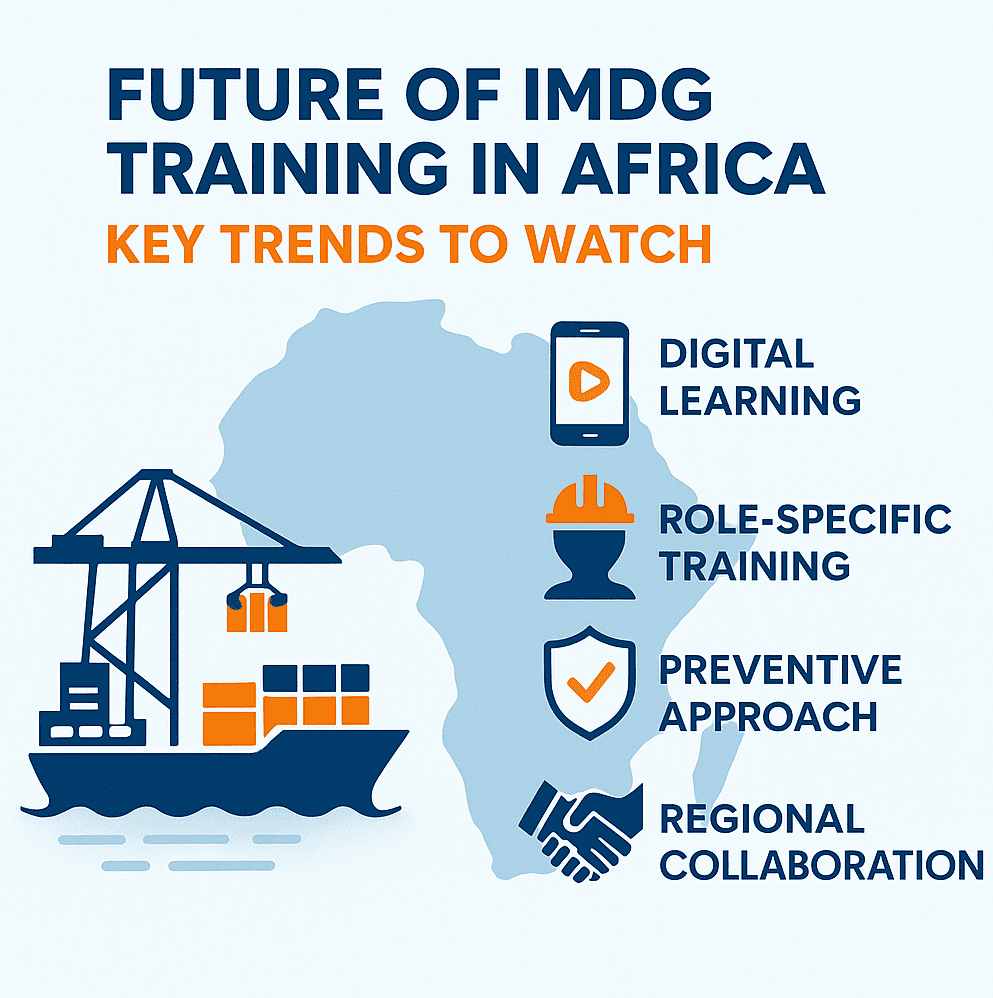
The new wave is building local training capacity. Regional training centres, accredited local trainers, and partnerships with international experts ensure knowledge stays in Africa and grows with the sector.
Benefits include:
-
Lower training costs per staff member.
-
Greater accessibility, as teams do not need to wait for overseas trainers.
-
Retention of expertise within the region, building a stronger long-term foundation.
This approach also creates jobs and career pathways in logistics safety — a field that is often overlooked yet critical to Africa’s trade future.
3. Training as a Driver of Performance
Beyond compliance, training brings tangible operational benefits:
-
Reduced downtime: trained staff know how to handle incidents quickly and effectively.
-
Fewer accidents: prevention and preparedness lower the risk of costly disruptions.
-
Higher client trust: companies with strong training programmes stand out in tenders and partnerships.
-
Employee retention: when staff feel invested in, they are more likely to stay, reducing turnover and recruitment costs.
In short, safety training in logistics is not an expense — it is an investment that pays back in efficiency, resilience, and growth.
4. Common Gaps Holding Companies Back
Despite the progress, several gaps remain in the sector:
-
Drivers often miss refresher courses on handling dangerous goods.
-
Warehouse staff may lack awareness of PPE standards and safe packaging rules.
-
Documentation teams are not always updated on IMDG classification changes.
-
HR and compliance leads often rely on paper-based records, making audits difficult.
These gaps increase the risk of non-compliance and reduce competitiveness in global trade.
5. Smarter Solutions: Digital Training Planners
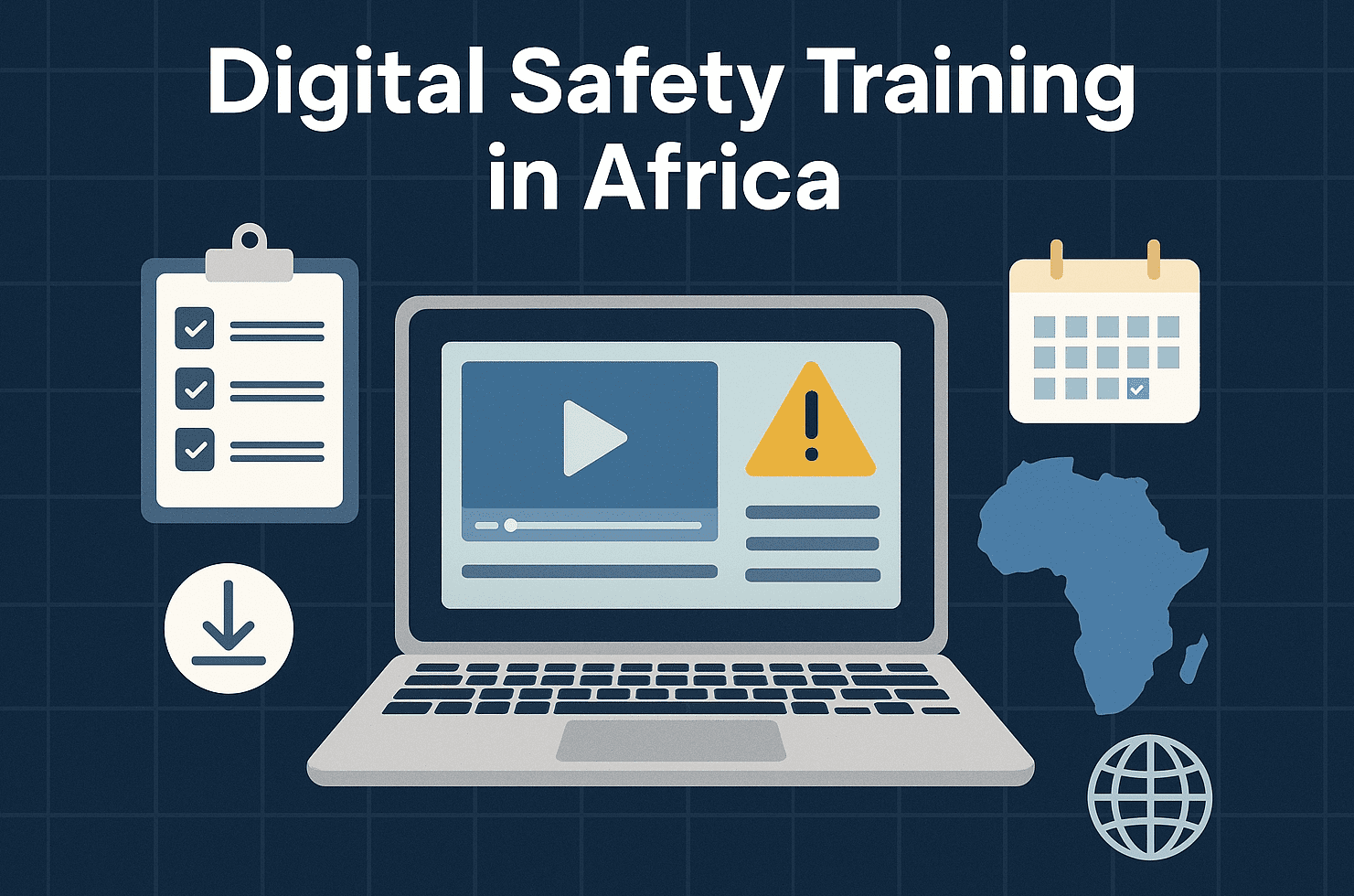
One of the most effective ways to close these gaps is through training planners and digital record keeping tools.
Instead of relying on manual records, HR and compliance leads can:
-
Map out training schedules for 6–12 months.
-
Track certificate validity and renewal cycles.
-
Align training with global regulatory updates, such as IMDG Amendment 42-24.
📥 To help, SafetyNet Africa has developed a Safety Training Planner for HR & Compliance Leads. It’s designed specifically for logistics teams, with tracker columns for location, certificate status, and renewal reminders.
6. A Regional Opportunity
Africa’s logistics industry is unique. It faces diverse conditions — from high-volume container hubs to remote inland trucking routes. But this diversity also creates opportunity. By investing in regionally relevant training, African logistics companies can:
-
Build stronger safety cultures across borders.
-
Enhance recognition of training qualifications between neighbouring countries.
-
Set Africa-wide benchmarks for dangerous goods handling and compliance.
Collaboration between regulators, ports, and private companies will be key in unlocking this potential.
Conclusion: Safety Training Is Growth Strategy
In 2025, the logistics sector in Africa will continue to expand — and with it, the expectations for compliance and safety. Safety training in logistics is not just a legal requirement. It is a driver of trust, performance, and resilience.
By investing in local skills, embracing digital tools, and closing training gaps, African logistics companies can lead the way in safe, sustainable growth.
📥 Download the free Safety Training Planner today and make sure your teams are ready for 2025.