

 0
0
 0
0
In the dynamic landscape of African workplaces, the significance of safety training cannot be overstated. As industries across the continent evolve, the need for comprehensive safety protocols becomes increasingly critical. You may find that many sectors, from mining to construction, face unique challenges that necessitate tailored safety training programs. These programs not only aim to protect employees but also to foster a culture of safety that permeates every level of an organization. By prioritizing workplace safety training, companies can mitigate risks and enhance overall productivity.
Moreover, the diverse nature of African workplaces means that safety training must be adaptable and relevant to various contexts. You might encounter environments where traditional practices clash with modern safety standards, making it essential for training programs to bridge these gaps. As you delve deeper into the realm of workplace safety, you will discover that effective training is not merely a regulatory requirement; it is a vital investment in human capital that can lead to significant long-term benefits for both employees and employers.
Understanding the importance of safety training in African workplaces is crucial for enhancing employee well-being and productivity. For further insights on this topic, you can explore a related article that delves into various safety protocols and their implementation across different industries in Africa. This article provides valuable information on how effective safety training can mitigate risks and foster a culture of safety within organizations. To read more, visit SafetyNet Africa.
The Importance of Hazard Awareness in African Workplaces
Hazard awareness is a cornerstone of workplace safety, particularly in African settings where certain industries are prone to high-risk activities. You may realize that understanding potential hazards is crucial for preventing accidents and injuries. Employees equipped with knowledge about their work environment can identify risks before they escalate into serious incidents. This proactive approach not only protects workers but also cultivates a sense of responsibility and vigilance among them.
In many African workplaces, the lack of awareness regarding hazards can lead to devastating consequences. You might observe that incidents such as falls, equipment malfunctions, or exposure to harmful substances are often the result of insufficient training and awareness. By emphasizing hazard recognition in safety training programs, organizations can empower their workforce to take ownership of their safety and that of their colleagues. This empowerment fosters a culture where safety becomes a shared responsibility, ultimately leading to a more secure work environment.
Understanding the Legal Requirements for Workplace Safety Training in Africa

Navigating the legal landscape surrounding workplace safety in Africa can be complex, given the varying regulations across different countries. You may find that understanding these legal requirements is essential for compliance and risk management. Many African nations have established laws and guidelines aimed at ensuring safe working conditions, and organizations must adhere to these regulations to avoid penalties and legal repercussions.
As you explore the legal framework, you will discover that workplace safety training is often mandated by law. This means that employers are required to provide adequate training to their employees, ensuring they are aware of potential hazards and equipped with the necessary skills to mitigate risks. By staying informed about these legal obligations, you can help your organization not only comply with regulations but also foster a culture of safety that goes beyond mere compliance.
The Role of Management in Ensuring Workplace Safety in African Workplaces
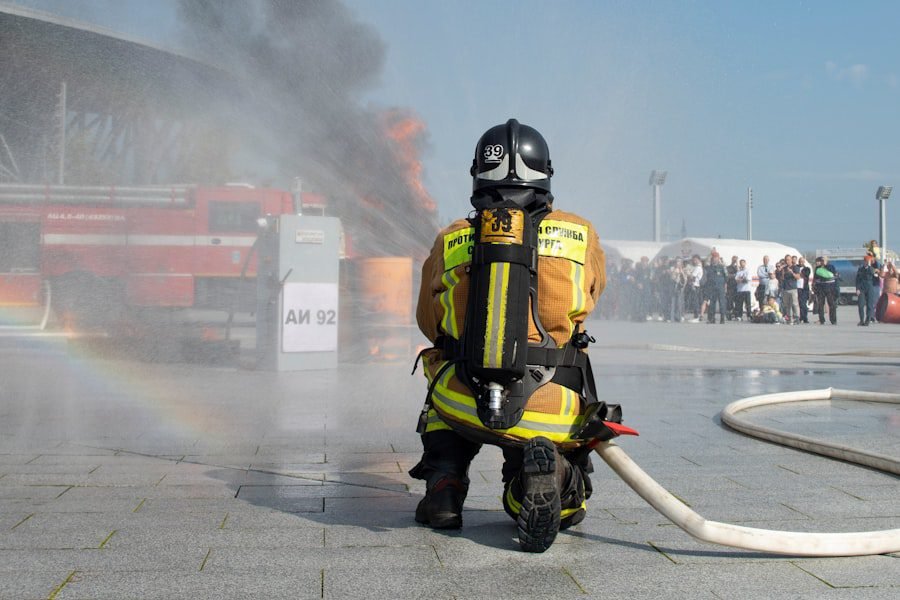
Management plays a pivotal role in shaping workplace safety culture in African organizations. You may recognize that leaders set the tone for safety practices and policies within their teams. When management prioritizes safety, it sends a clear message that employee well-being is valued. This commitment from leadership can significantly influence employee attitudes toward safety and encourage them to take an active role in maintaining a safe work environment.
Furthermore, effective communication from management regarding safety protocols is essential. You might find that when leaders openly discuss safety measures and involve employees in decision-making processes, it fosters a sense of ownership and accountability among workers. By engaging employees in safety initiatives, management can create an inclusive environment where everyone feels responsible for upholding safety standards. This collaborative approach not only enhances compliance but also strengthens team cohesion and morale.
Understanding the importance of safety training in African workplaces is crucial, especially when considering the broader implications of safety in various sectors. For instance, an article discussing the recent approval of the IRU initiative highlights efforts to enhance the safe transport of dangerous goods by road in Arab states, which can serve as a valuable reference for improving safety protocols across different industries in Africa. You can read more about this initiative in the article found here.
The Benefits of Providing Comprehensive Safety Training for African Workers
| Reasons | Explanation |
|---|---|
| Legal Compliance | Ensures adherence to local and international safety regulations. |
| Employee Protection | Reduces workplace accidents and injuries, ensuring the well-being of workers. |
| Productivity | Minimizes downtime due to accidents, leading to increased productivity. |
| Cost Savings | Reduces expenses related to worker compensation and medical bills. |
| Reputation | Enhances the company’s reputation as a safe and responsible employer. |
Investing in comprehensive safety training yields numerous benefits for both employees and organizations. You may notice that well-trained workers are more confident in their abilities to handle potential hazards, leading to a reduction in accidents and injuries. This confidence translates into increased productivity as employees can focus on their tasks without the constant fear of accidents looming over them.
Moreover, comprehensive safety training can enhance employee retention rates. When workers feel safe and valued within their workplace, they are more likely to remain loyal to their employer. You might find that organizations with robust safety training programs experience lower turnover rates, which ultimately saves costs associated with recruitment and training new employees. By prioritizing safety training, companies not only protect their workforce but also create a positive work environment that attracts and retains top talent.
Understanding the importance of safety training in African workplaces can be further explored in a related article that discusses various resources available for enhancing workplace safety. This article highlights the significance of investing in comprehensive safety programs and offers practical solutions for organizations looking to improve their safety standards. For more information, you can read the full article here.
The Impact of Workplace Safety Training on Employee Morale and Productivity in Africa
Check out the latest courses at SafetyNet Academy for all your safety training needs.
The relationship between workplace safety training and employee morale is profound. You may observe that when employees feel safe at work, their overall job satisfaction increases significantly. A positive work environment fosters motivation and engagement, leading to higher levels of productivity. When workers are confident in their safety training, they are more likely to take initiative and contribute positively to their teams.
Additionally, you might find that organizations that prioritize safety training often experience lower absenteeism rates. Employees who feel secure in their work environment are less likely to take time off due to stress or injury-related issues. This increased attendance contributes to overall productivity levels, allowing teams to meet deadlines and achieve organizational goals more effectively. By investing in workplace safety training, companies can create a virtuous cycle where employee morale and productivity continuously reinforce one another.
Addressing Cultural and Language Barriers in Workplace Safety Training in Africa
In Africa’s diverse cultural landscape, addressing language and cultural barriers is crucial for effective workplace safety training. You may encounter situations where language differences hinder communication about safety protocols, leading to misunderstandings and potential risks. It is essential for organizations to develop training materials that are accessible and understandable for all employees, regardless of their linguistic background.
Moreover, cultural differences can influence perceptions of safety practices. You might find that certain cultural beliefs or practices conflict with modern safety standards, making it necessary for trainers to approach these topics sensitively. By incorporating culturally relevant examples and engaging local leaders in the training process, organizations can bridge these gaps and ensure that all employees feel included and respected during safety training sessions.
The Role of Technology in Enhancing Workplace Safety Training in African Workplaces
Technology has the potential to revolutionize workplace safety training in Africa by providing innovative solutions that enhance learning experiences. You may discover that e-learning platforms, virtual reality simulations, and mobile applications can make safety training more engaging and accessible for employees across various industries. These technological advancements allow organizations to deliver consistent training content while accommodating different learning styles.
Furthermore, technology enables real-time monitoring of safety compliance and incident reporting. You might find that organizations utilizing digital tools can quickly identify areas for improvement and address potential hazards before they escalate into serious issues. By embracing technology in workplace safety training, companies can create a more efficient and effective learning environment that ultimately leads to safer workplaces.
The Importance of Continuous Training and Refresher Courses for Workplace Safety in Africa
Workplace safety is not a one-time event; it requires ongoing commitment and continuous improvement. You may recognize that regular refresher courses are essential for keeping employees updated on the latest safety protocols and best practices. As industries evolve and new technologies emerge, it is crucial for workers to stay informed about potential hazards and how to mitigate them effectively.
Additionally, continuous training fosters a culture of learning within organizations. You might find that when employees engage in regular training sessions, they are more likely to share knowledge with their peers and contribute to a collective understanding of workplace safety. This collaborative approach not only enhances individual skills but also strengthens team dynamics as everyone works together toward a common goal of maintaining a safe work environment.
Case Studies of Successful Workplace Safety Training Programs in African Companies
Examining successful case studies can provide valuable insights into effective workplace safety training programs in Africa. You may come across organizations that have implemented innovative training strategies tailored to their specific industries and workforce needs. For instance, some companies have partnered with local communities to develop culturally relevant training materials that resonate with employees’ experiences.
Additionally, you might find examples of organizations leveraging technology to enhance their training programs. Companies utilizing virtual reality simulations have reported significant improvements in employee engagement and retention of safety information. By analyzing these case studies, you can glean best practices that can be adapted to your own organization’s unique context.
The Future of Workplace Safety Training in African Workplaces
As you reflect on the future of workplace safety training in African workplaces, it becomes clear that there is much work ahead but also immense potential for growth and improvement. The increasing recognition of the importance of safety training among employers signifies a positive shift toward prioritizing employee well-being across various sectors. By embracing innovative approaches such as technology integration and continuous learning initiatives, organizations can create safer work environments that benefit everyone involved.
Ultimately, the future of workplace safety training hinges on collaboration among stakeholders—management, employees, regulatory bodies, and communities alike. You may find that fostering open communication channels and sharing best practices will be key drivers in advancing workplace safety standards across Africa. As you move forward, remember that investing in comprehensive safety training is not just about compliance; it is about creating a culture where every worker feels valued, protected, and empowered to contribute positively to their organization’s success.
FAQs
What is safety training and why is it important for African workplaces?
Safety training is the process of educating employees about how to work safely and avoid hazards in the workplace. It is essential for African workplaces to ensure the safety and well-being of employees, reduce the risk of accidents and injuries, and comply with legal requirements.
What are the benefits of safety training for African workplaces?
Safety training can lead to a safer work environment, reduced workplace accidents and injuries, improved employee morale, increased productivity, and compliance with health and safety regulations. It also helps to create a culture of safety and responsibility among employees.
What are some common safety training topics for African workplaces?
Common safety training topics for African workplaces include fire safety, first aid, manual handling, personal protective equipment (PPE), hazard communication, electrical safety, and emergency procedures. These topics are tailored to address specific workplace hazards and risks.
How can safety training be implemented in African workplaces?
Safety training can be implemented in African workplaces through the development of a comprehensive training program, the use of qualified trainers, the provision of relevant training materials and resources, and the regular evaluation of training effectiveness. It is important to ensure that training is accessible to all employees, including those with language or literacy barriers.
What are the legal requirements for safety training in African workplaces?
In African workplaces, safety training is often mandated by national and local health and safety regulations. These regulations may specify the type of training required, the frequency of training, and the responsibilities of employers and employees. It is important for employers to stay informed about these legal requirements and ensure compliance.


